

It’s an exciting time to discover Japanese whisky. There are now more than 50 distilleries in operation, and not only is the choice coming to these shores greater than ever before, but there’s also much more clarity around what’s in the bottle, meaning it’s easier than ever to find a Japanese dram you’ll love.
If you’re keen to start your journey of discovery then this guide is for you. Whether you’ve just had your first sip of Yamazaki or you’ve been quietly fascinated from a distance, what follows is everything you need to understand Japanese whisky.
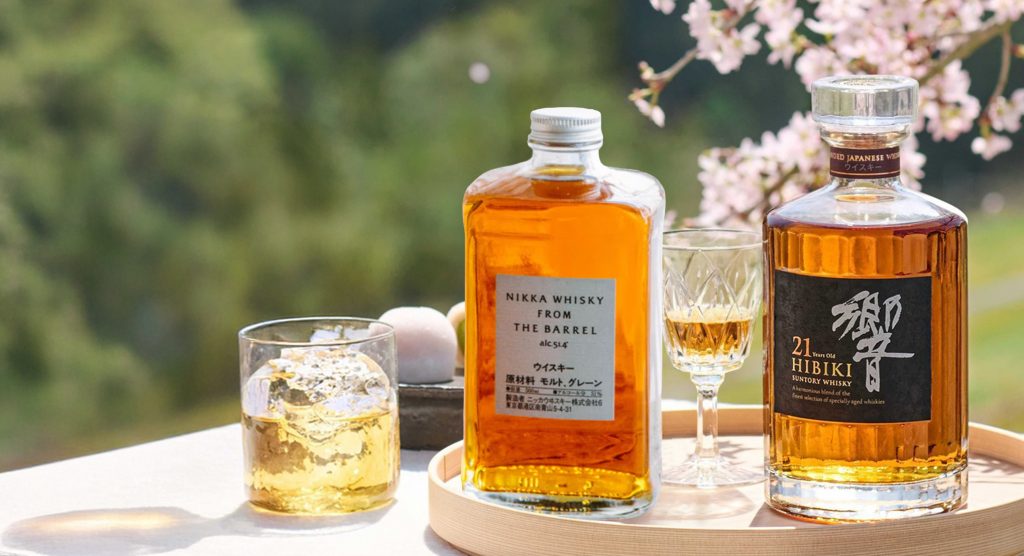
Table of contents
- How did Japanese whisky start?
- What does Japanese whisky taste like?
- How do you read a Japanese whisky label?
- A note on pricing
- How do you drink Japanese whisky?
- Where do you go from here?
How did Japanese whisky start?

Japanese whisky began with a long journey. In 1918, a bright young man named Masataka Taketsuru was sent to Scotland by his employer to learn the art of whisky making. Imported Scotch was available in Japan by that time, and Taketsuru’s employer was keen to create a domestic whisky that could compete with its growing popularity.
While in Scotland, Taketsuru studied organic chemistry at the University of Glasgow, apprenticed at distilleries and immersed himself in all things whisky. He also fell in love with a Scottish woman, Rita, whom he would later marry despite initial disapproval from both families.
He returned to Japan two years later with not only Rita but also notebooks full of observations: technical notes, photographs, impressions of working conditions, equipment, and the rhythms of distillery life. These notebooks, known as the ‘Taketsuru Notes’, were to become vitally important when he changed companies and started working for what would become Suntory.
The company president, Shinjiro Torii, commissioned Taketsuru to lead the project to build the Yamazaki distillery, which was completed in 1924. Although it wasn’t Taketsuru’s preferred location, the valley offered soft, mineral-rich water, and the meeting of three rivers created a damp, shifting microclimate that was excellent for maturation.
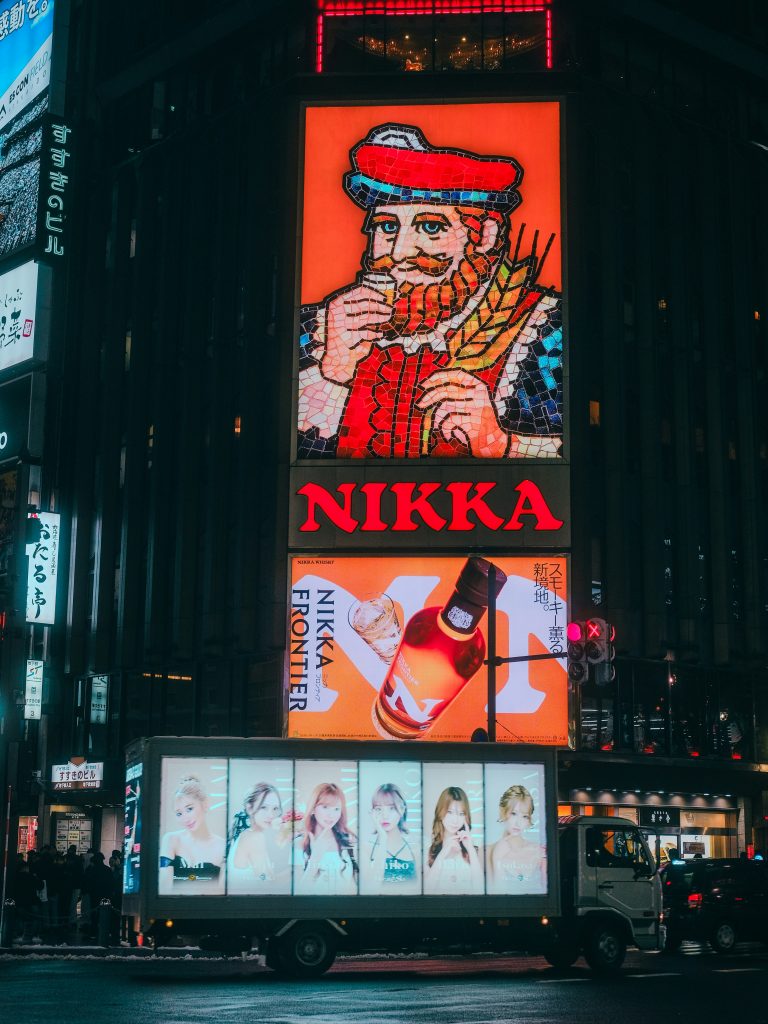
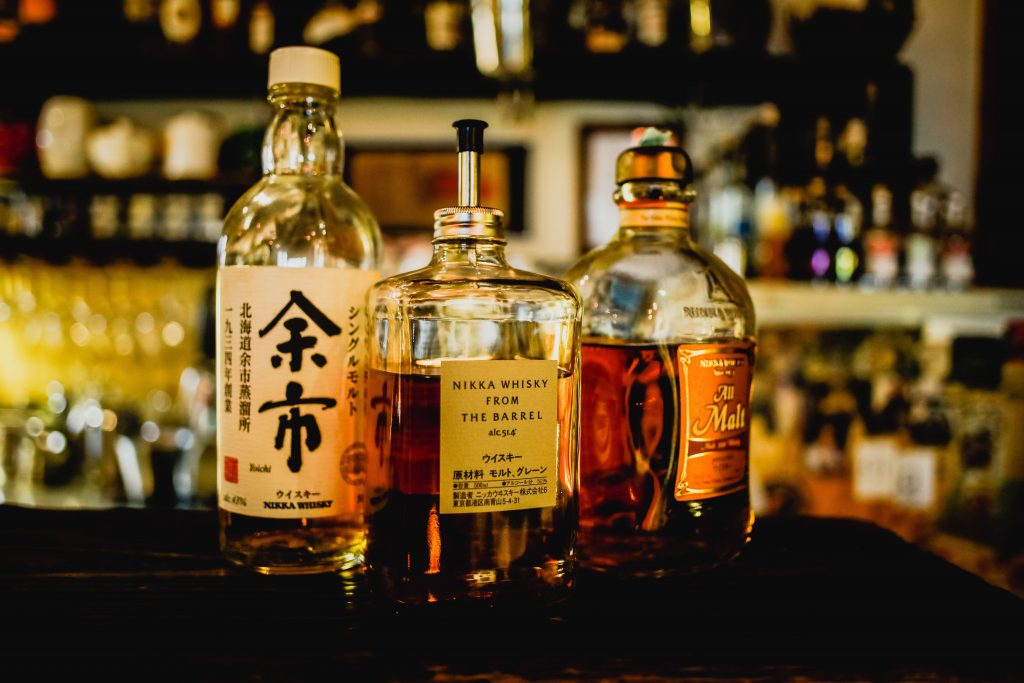
Taketsuru eventually left to pursue his own vision, heading north to Hokkaido, where the colder air and heavy winters reminded him more closely of Scotland. There he founded Yoichi distillery for what would become the Nikka Whisky company, including installing the first Japanese-designed pot still, and in doing so helped establish the two houses that would define Japanese whisky’s early identity.
Throughout the 20th century these two houses would fly the flag for high quality domestic whisky, in the face of the ‘imitation whiskies’ which were also legally allowed at the time. While they weren’t the only ones with distilleries – legendary names like Karuizawa and Hanyu were also around at this time – there weren’t huge numbers of Japanese whisky producers until the boom in the early 21st century.
This boom was fuelled by intense interest from overseas and encouraged more distillers to pursue their passion, which often continued the tradition of taking Scotch methods and using them to forge something new. Today the most common style of Japanese whisky is an easy-drinking marriage of malt and grain whiskies, made using similar techniques to those employed to make blended Scotch whisky. There are more than 50 distilleries throughout the country, making not only these blends but a variety of innovative and delicious single malts, single grains and more.
What’s more, in 2023 the regulations governing Japanese whisky were more tightly defined, meaning consumers have not only more choice but also more confidence than ever before.
What does Japanese whisky taste like?
Seasoned whisky drinkers will be unsurprised to know that there isn’t one flavour profile that defines Japanese whisky. All whisky makers have their own styles, plus some of the big distilleries employ a mix of stills, fermentation times and distillation techniques to create a variety of different whiskies that they then blend for bottlings as required.
If there are characteristics that Japanese whisky is more known for, they’re probably subtlety and a finely tuned elegance. Flavours tend to come in layers rather than waves: green apple, citrus peel, white flowers, soft vanilla, sometimes a gentle thread of smoke rather than a dominant force.
Several production choices do help shape this general character. Japanese producers often emphasise very clean fermentations and careful cut points in distillation, which can lead to a lighter spirit character. This isn’t unique to Japan, but it is part of the broader aesthetic. The variety of climate conditions and altitudes also plays a role in flavour variation, as do factors such as cask choice.
One of Japan’s most distinctive contributions is mizunara oak. Mizunara is difficult to work with: the wood is porous, prone to leakage, and trees must grow for decades before they can be coopered into casks of usable quality. When it works, it tends to lend whisky distinctive aromatic notes often described as sandalwood, coconut, and incense-like spice.
How do you read a Japanese whisky label?
For much of its history, Japanese whisky operated without a formal legal definition. That meant some products labelled “Japanese whisky” could include imported whisky components blended and bottled in Japan. Unsurprisingly this was confusing and disappointing to consumers who thought they were buying a true taste of Japan.
In response, the Japan Spirits & Liqueurs Makers Association introduced voluntary labelling standards in 2021. These guidelines require that, for a product to be labelled Japanese whisky, it must be mashed, fermented, distilled, aged, and bottled in Japan, using malted grains, and matured in wooden casks for at least three years. Because these rules are voluntary rather than statutory law, compliance relies on producer adherence, but many distillers have chosen to follow suit.
Age statements are another common point of confusion. A stated age refers to the youngest whisky in the blend. For many years, age statements were standard across the industry. However, demand surged globally in the 2010s, and aged stocks became constrained, leading to more Non Age Statement (NAS) releases.
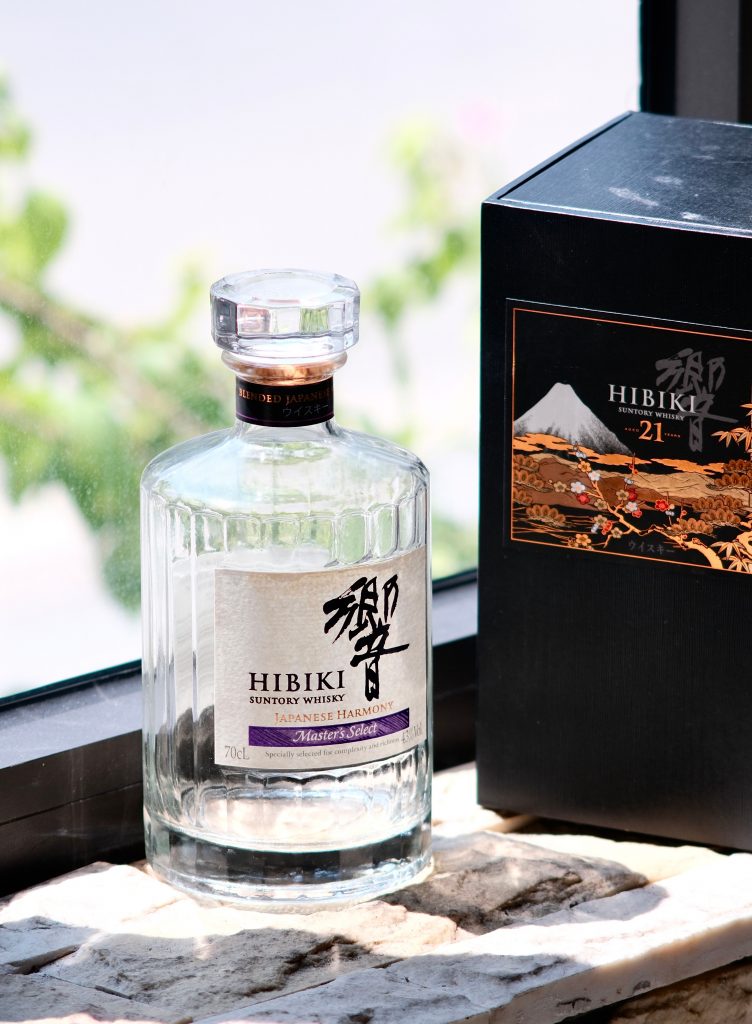
NAS does not inherently indicate lower quality, it simply reflects blending decisions that prioritise flavour consistency. Expressions like Hibiki Harmony, Suntory Toki and Nikka From the Barrel are widely respected examples of that approach.
A note on pricing
In the past couple of decades the price of some Japanese whiskies has soared, leaving fans flabbergasted by the new cost of their favourite dram.
There were two drivers for the price increase: higher demand caused by increased interest from around the globe, and scarcity caused by a historic contraction in production. Domestic demand expanded in the post-war decades, then contracted sharply in the late 1980s and 1990s, to the extent that many distilleries reduced output or closed entirely. When global interest surged decades later, the industry was effectively drawing on a much smaller pool of aged stock. As such, older whiskies from Japan became increasingly rare and expensive, as there was no way of quickly producing enough stock to meet the demand. .
It’s also why certain discontinued distilleries have become especially sought after among collectors: they represent a finite production window that cannot be replicated.
How do you drink Japanese whisky?
The short answer is exactly the same way that you’d drink any other whisky. Whether that’s neat, with ice, or mixed – the important thing is that you enjoy it.
If you want to know how they drink whisky in Japan, however, there are a couple of serves particularly associated with the country – although again it all comes down to personal preference.
The Japanese highball is perhaps the most well-known example. A tall glass, plenty of ice, whisky, and cold sparkling water (typically in a loose 1:3 or 1:4 ratio) stirred gently to preserve carbonation. The goal isn’t dilution for its own sake, but to open up aromas and make the drink more refreshing and food-friendly. The Highball was invented in the West, but popularised in Japan after WW2 as an easy way to enjoy a refreshing whisky.
A still-water version, often called mizuwari, follows a similar principle. Whisky is lengthened with cold water and stirred slowly until integrated. It’s commonly associated with long meals, where the softened spirit pairs perfectly with delicate Japanese cuisine, and is a practice that originated in Japanese shochu drinking traditions.
Neat pours remain the default for many drinkers, especially for higher-end or older expressions, and Japan has its fair share of legendary whisky bars where serious connoisseurs go to enjoy a dram.
Where do you go from here?
If we’ve whetted your appetite for Japanese whiskies, why not check out our curated collections of the best Japanese whisky available online?
If you’re looking for a dram or two to taste, however, then you can’t go wrong with Yamazaki 12 Year Old. It’s the whisky that got many people excited about drams from Japan and is, fittingly, from the distillery that started it all. The whisky has been aged in American oak, Spanish oak and Mizunara casks, the latter lending its distinctive incense and spice note on top of an accessible and poised fruit and coconut profile.
Other whiskies to consider as you take your first steps into Japanese whisky are Hibiki Harmony for a classic blend, Yoichi for something smoky, and Mars Komatage for a taste of Japan’s highest distillery.