

There’s a great mystique surrounding old and rare Japanese whiskies. From lost distillery drams to scarce bottles from prestige names, there’s a wealth of choice on the market – but it’s not always clear as to their significance or what’s behind the label.
This guide aims to provide a brief overview of the market and the considerations for those curious about collecting Japanese whisky. It should not, however, be taken as investment advice. In fact, the only advice we’d give is that you should never buy a bottle you wouldn’t wish to drink!
Table of contents
- The Japanese whisky crash
- The lost distilleries
- Modern titans of Japanese whisky
- How to start a Japanese whisky collection
- Protecting and insuring your whisky investments
- Start your Japanese whisky collection at The Whisky World
The Japanese whisky crash – the seeds of a collectors’ craze
To understand why old and rare Japanese whisky rose to global attention, it’s best to start back at a time when things were instead looking far from rosy.
While the Japanese whisky industry was flourishing by the 1970s, when domestic consumption was high and distilleries were expanding to meet demand, a shift in the market caused it to all come crashing down. By the late 1980s many distilleries were facing severe overcapacity. Production was cut or in some cases paused entirely – and distilleries such as Karuizawa, Hanyu, the original Kawasaki grain distillery would never reopen.
For a time, this meant that there was a vast sea of filled casks slowly maturing across the country, enough to supply demand without the need to re-expand capacity at the remaining distilleries. By 2010, however, a worldwide renaissance in whisky connoisseurship was under way and a new generation of collectors was created through online access to a wide variety of information and – crucially – bottles. Thanks to a series of international awards and praise from prominent critics, Japanese whisky was caught up in this whirlwind and what were ample stocks soon started to dwindle.
While the more established distilleries, Yamazaki, Hakushu, Yoichi, Miyagikyo, have since been rebuilding their capacity to meet this global thirst for Japanese whisky there is still a shortage of older stock – not to mention a finite amount of casks remaining from those distilleries which no longer exist. Demand has outstripped supply for many years, and prices reflect this.
The lost distilleries
The global fame of closed Japanese distilleries rivals that of even Port Ellen, Brora and Rosebank. Below are the three you need to know.
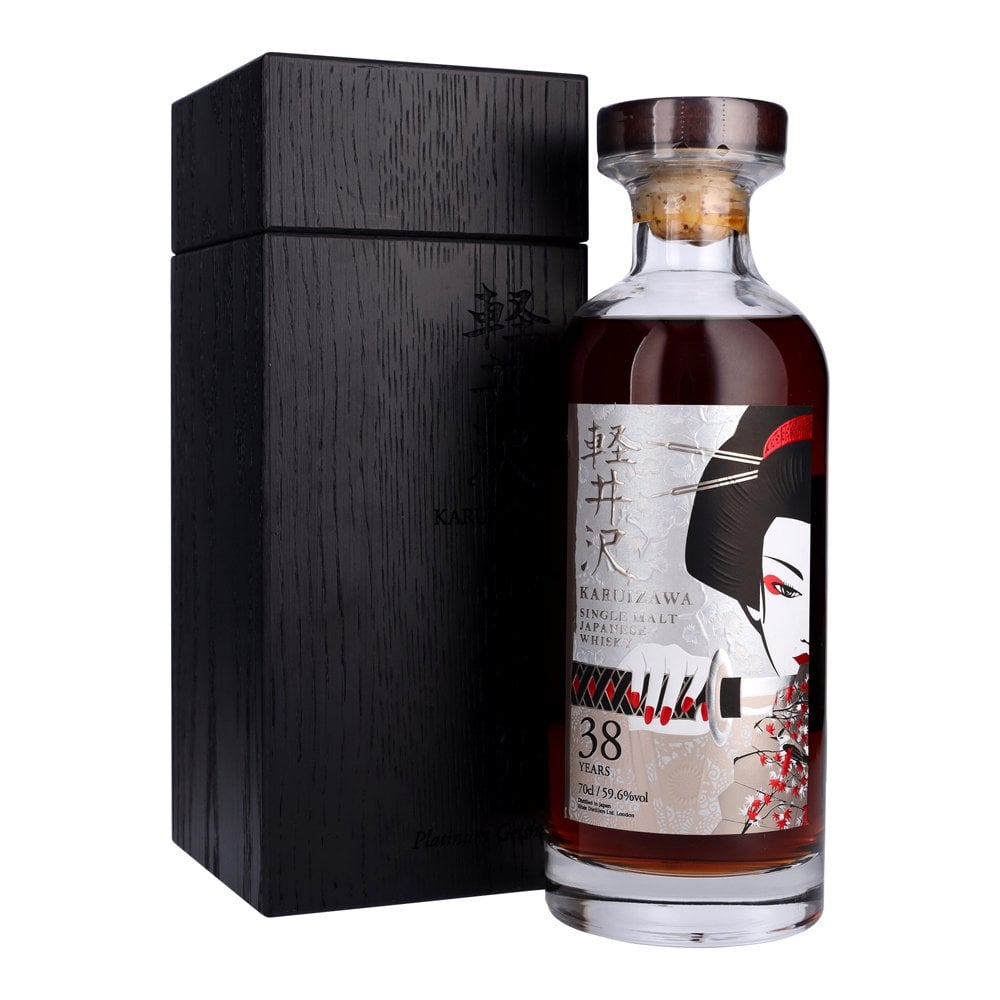
Karuizawa is the whisky that appears most often in serious collections and which attracts the most stratospheric prices at auction. The distillery operated in the foothills of the Japanese Alps from 1955 until its closure in 2000. It produced spirit on a small scale using 100% Golden Promise barley, the same heritage variety used by some of Scotland’s most respected distilleries, and aged it in small sherry casks for whiskies which are dense, complex, and intriguing. After the distillery closed the remaining casks were purchased by a handful of private owners who have been releasing limited edition bottlings ever since. The Geisha series and the 50 Year Old releases are particularly sought-after examples.
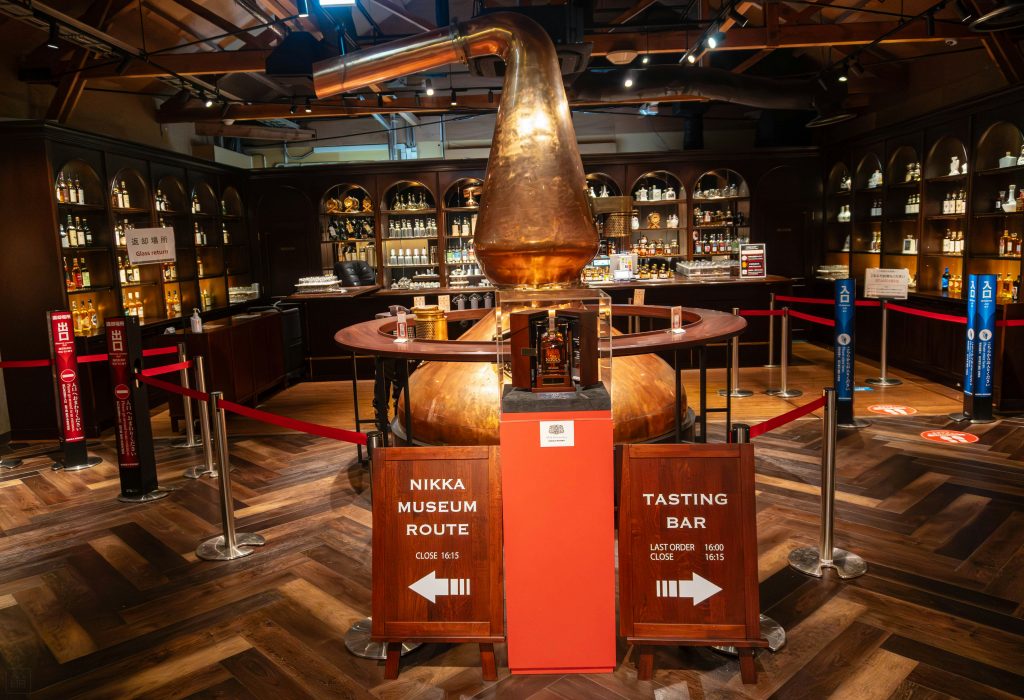
Hanyu is Karuizawa’s peer in rarity and prestige. The distillery operated in Saitama Prefecture and closed in 2000. Its remaining casks were eventually purchased by Ichiro Akuto, the grandson of Hanyu’s founder, and released through his company Venture Whisky. The Playing Card Series, comprised of 54 single cask expressions, each named after a playing card, has since become one of the most iconic collector’s sets in the whisky world. Individual cards, particularly the jokers and the picture cards, represent significant investments in their own right.
The Kawasaki distillery was founded in 1935 in the Kanagawa Prefecture near Tokyo. In 1969 the founders installed a Coffey still in order to focus on making high quality grain whiskies, and the distillery gained a deserved reputation as a result. It closed in early 1983 as a result of the downturn, but the few surviving casks were saved by Ichiro Akuto (of Hanyu and Chichibu fame) and released through various limited edition bottlings.
Modern titans of Japanese whisky
As well as drams from lost distilleries, there are many bottlings from established distilleries and very active distilleries that are sought after for their quality and rarity. Knowing of them is one thing – getting your hands on a bottle is quite another.
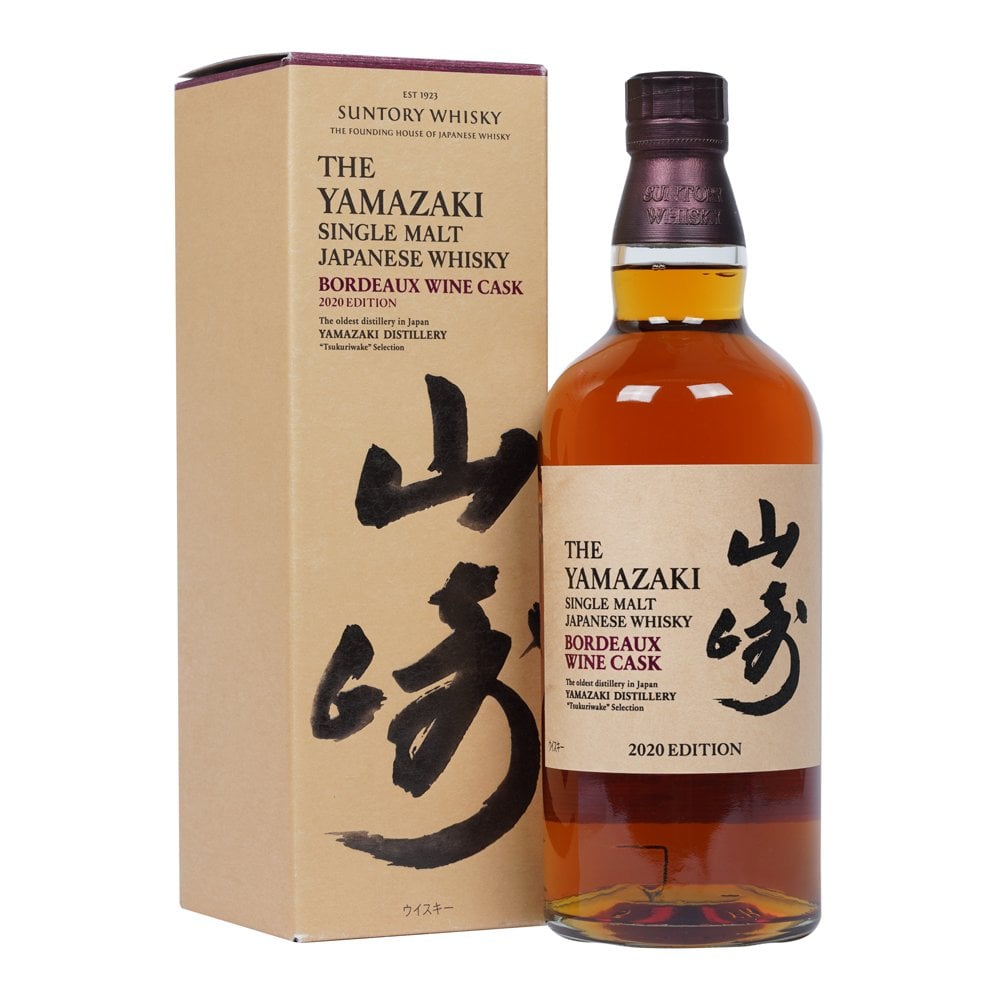
Annual releases of older age statements from Hibiki and Yamazaki, for example, are often highly sought after – not least because their quantity is limited by the finite amount of qualifying aged stock in Suntory’s warehouses. Prices for these annual releases are matched according to their scarcity, while the exceptionally rare releases – such as the legendary Yamazaki 55 Year Old – command record-breaking sums at auction.
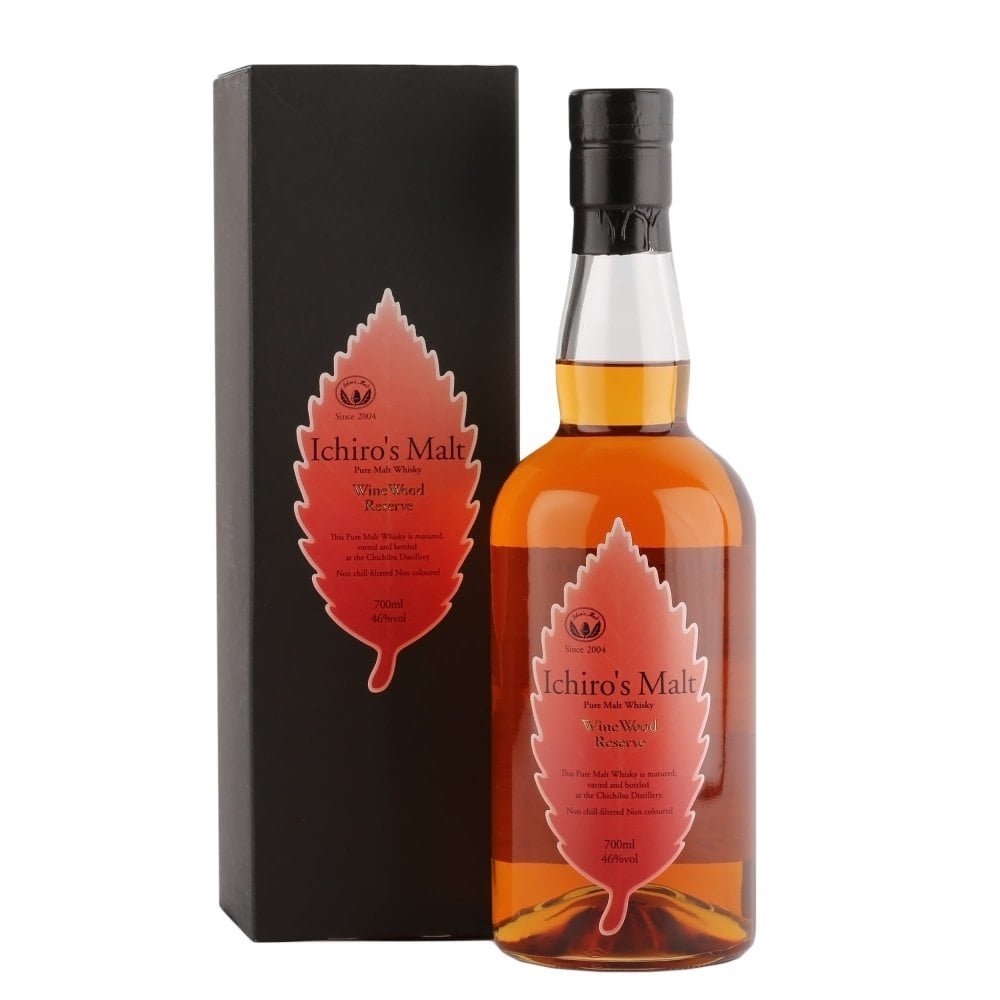
It’s not just the older Japanese distilleries that have captured the imagination of collectors. Remember Ichiro Akuto? As well as bottling drams from lost distilleries, the crown prince of Japanese whisky also founded Chichibu distillery, whose releases have been causing stampedes of enthusiasts since its first in 2011.
How to start a Japanese whisky collection
Thanks to the varied production styles in Japan, it can sometimes be difficult to know what is a true Japanese whisky and what is a world blend. If you’re interested in collecting Japanese whisky then you must first understand its landscape – distillery character, production styles and what’s behind the label. You must also be curious: try everything you can and enjoy the thrill of discovery as much as the rush of acquiring a bottle you covet.
And speaking of acquisition, it’s important that you can trust the vendor of your whisky, particularly if it’s a bottle that’s being re-sold. Reputable retailers and auction houses will have an authentication service, designed to stop counterfeit bottles entering the market and benefitting the criminals who create them. Authentication experts will look at factors such as fill level, label condition and whether or not the style of the capsule and cork fits the period, as well as evidence of where and how the bottles were previously sold. Independent whisky authentication experts are also available.
While it’s tempting to think that authentication is a nice to have rather than a must have, there are unfortunately many fakes on the market. The peace of mind that comes with knowing where a bottle has been is worth considerably more than the marginal saving of buying from an unknown seller.
Our recommendations
Protecting and insuring your whisky investments
Acquiring bottles is great, but keeping them is a serious business. Bottles should be stored upright (unlike wine, whisky corks don’t require liquid contact and benefit from not having it), in a cool environment with stable temperature and minimal light exposure. UV degrades both the liquid and the label: direct sunlight is the collector’s enemy. A dedicated storage solution with consistent temperature control protects both the whisky and its associated paperwork and accessories. If you cannot create this storage space at home then consider a third party company.
Specialist insurance for high-value whisky collections is available and worth obtaining: standard home contents policies often exclude or undervalue collections of this kind, and a single bottle valued at several thousand pounds warrants specific coverage.
Start your Japanese whisky collection at The Whisky World
While dealing with a physical bottle collection may sound onerous, it is ultimately a very fulfilling way to commemorate distilleries lost forever, celebrate those which continue to thrive and pay homage to the history and artistry of Japanese whisky. No matter what your long term aim with a collection, the act of assembling it and immersing yourself in this fascinating category is a reward all its own.