

Being a newcomer to whisky can often feel overwhelming; dipping your toes in can quickly become a somersault into the deep end. There are so many varieties of whisky, not to mention subcategories within them, that it can feel impossible to know where to start. That’s why we’re here to help.
When it comes to Scotch, each type of whisky has its own unique definition, flavour profile and production process. These distinctions are easy to learn, which, in turn, makes trying and buying different whiskies simple.
Follow our guide to the five types of Scotch whisky below.
Table of contents
- Single Malt Scotch Whisky
- Single Grain Scotch Whisky
- Blended Scotch Whisky
- Blended Malt Scotch Whisky
- Blended Grain Scotch Whisky
- Scotch tasting tips for beginners
- Shop exceptional Scotch at The Whisky World
Single Malt Scotch Whisky
It’s amazing that single malt Scotch requires just yeast, malted barley and water to create an incredible taste. Single malt is revered for offering rich, layered flavour profiles, and you can expect a different profile from each distillery. Depending on factors such as fermentation length, distilling processes and cask ageing choices, single malt Scotch can provide notes ranging from charred oak and dried fruit to sweet vanilla and spicy nutmeg.
As you’ve probably worked out, single malt must be made at a single distillery. And the rules don’t end there: although each distillery produces single malts with their own unique character, they all must be made with 100% malted barley, distilled in pot stills and aged for a minimum of three years in oak casks in Scotland to qualify as Scottish single malt.
Our Single Malt Scotch recommendations
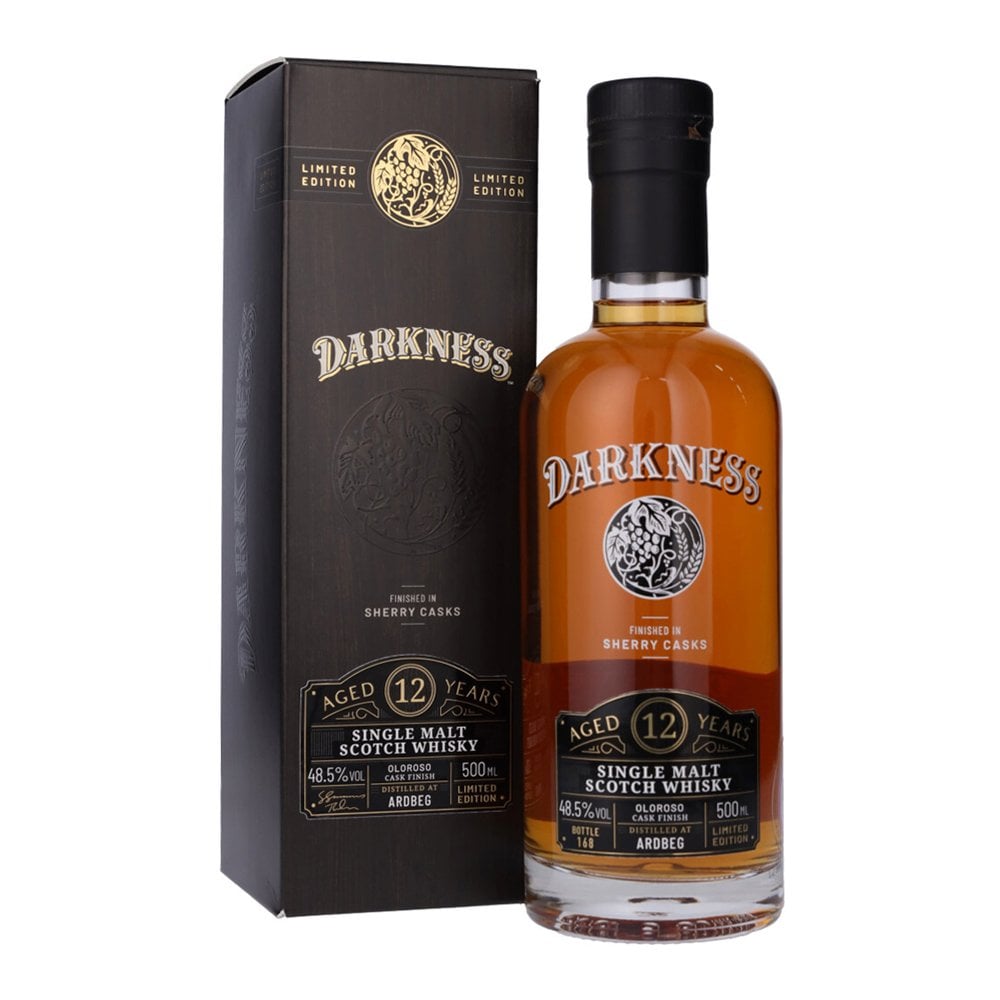
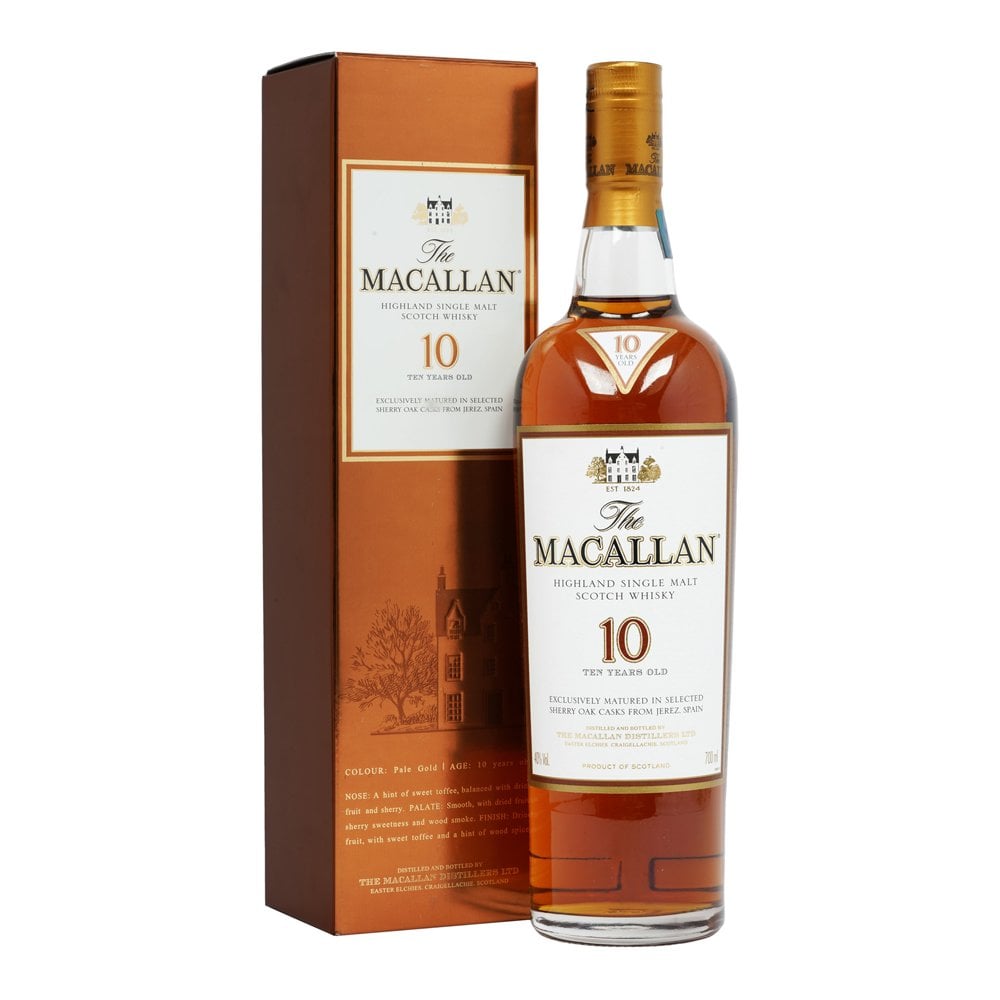
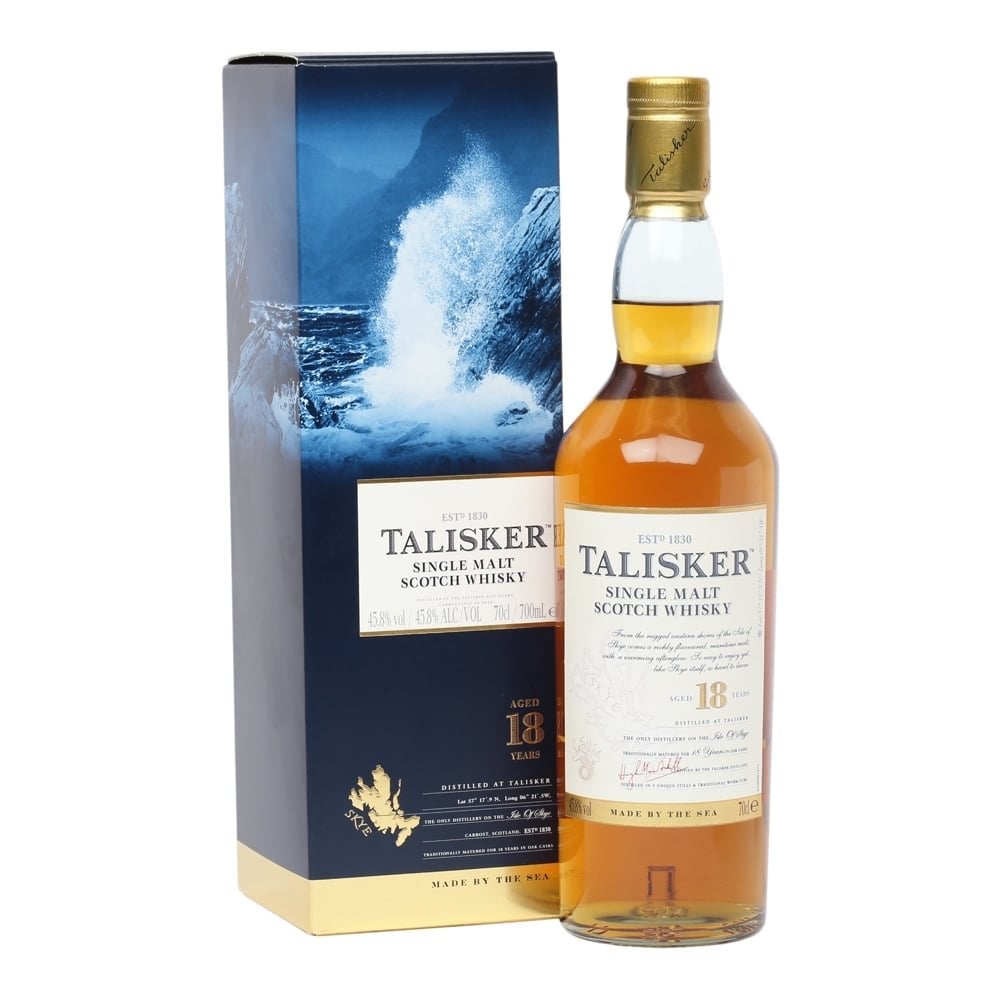
Explore delicious single malt Scotch whisky in our extensive collection. If you’re looking to discover your taste in single malt, our selection features iconic names ranging from the super peaty (and therefore smoky) Ardbeg to the maritime Talisker, and the supple sherried Macallan.
Single Grain Scotch Whisky
Single malt Scotch often receives a great deal of attention from new whisky enthusiasts due to its rich history and worldwide reputation. Unfortunately this also meants that single grain Scotch sometimes goes overlooked by those looking to begin their whisky journey.
Single grain means a grain whisky distilled at a single distillery – but don’t be fooled into thinking the whisky needs to only be made from a single type of grain! These whiskies can be made from a wide variety of cereals, including wheat, corn, unmalted barley, rye and more.
Distillation happens in copper column stills rather than the pot stills used for single malt, resulting in a whisky that’s often lighter and sweeter than its malty cousin. Notes of butterscotch, toffee, and caramel, as well as a creamy cereal character, are common in these whiskies.
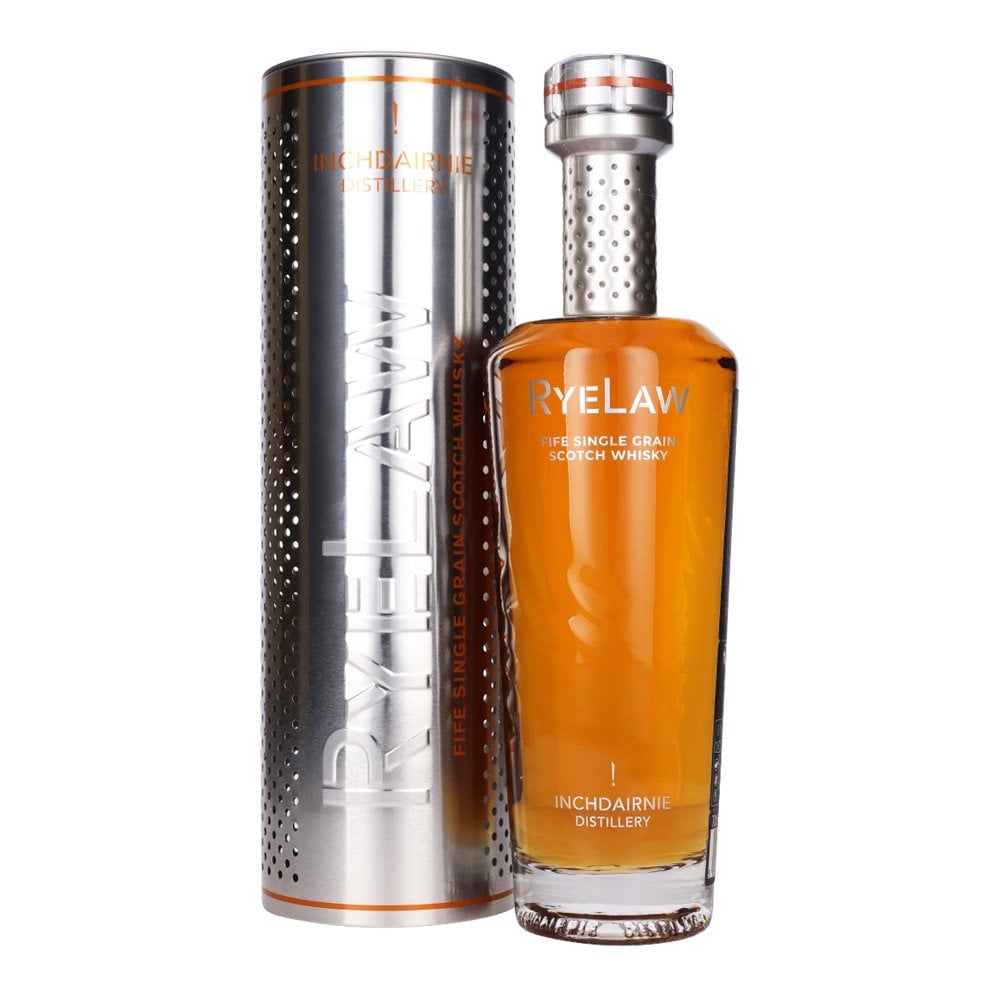
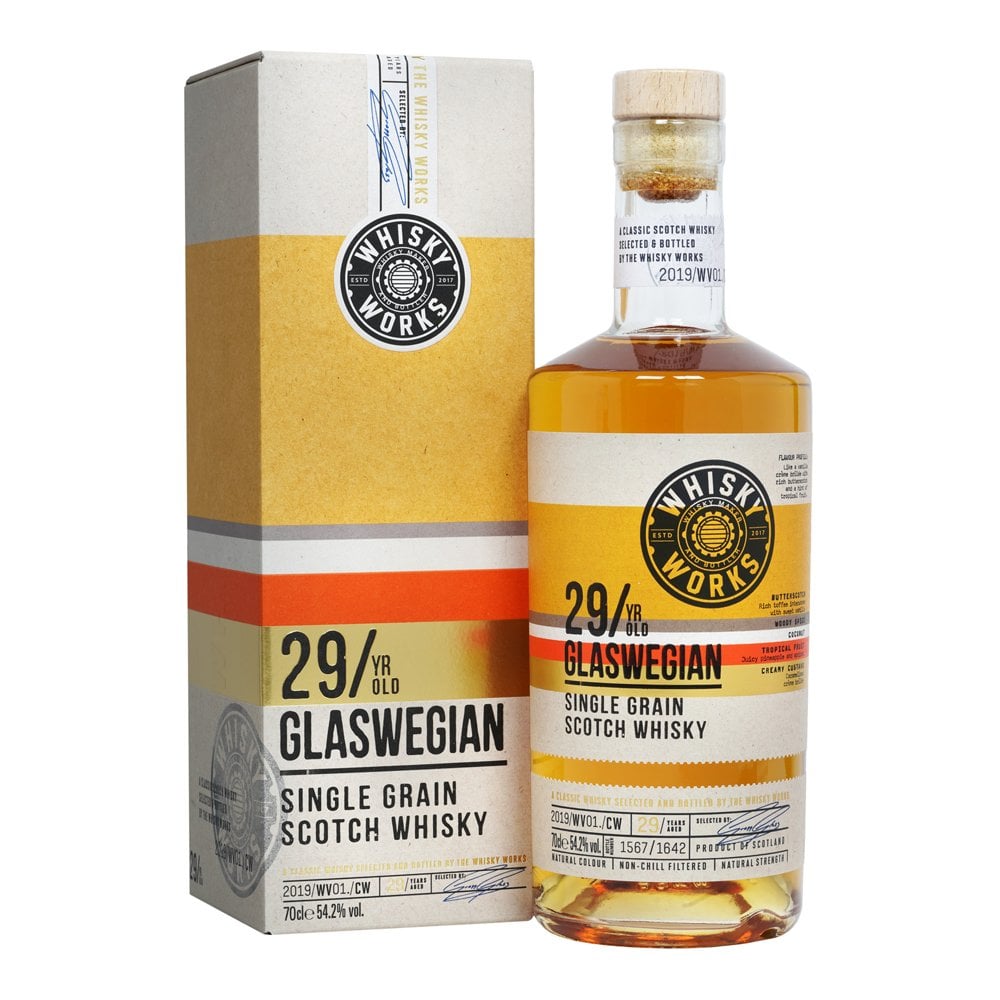
Our Single Grain Scotch recommendations
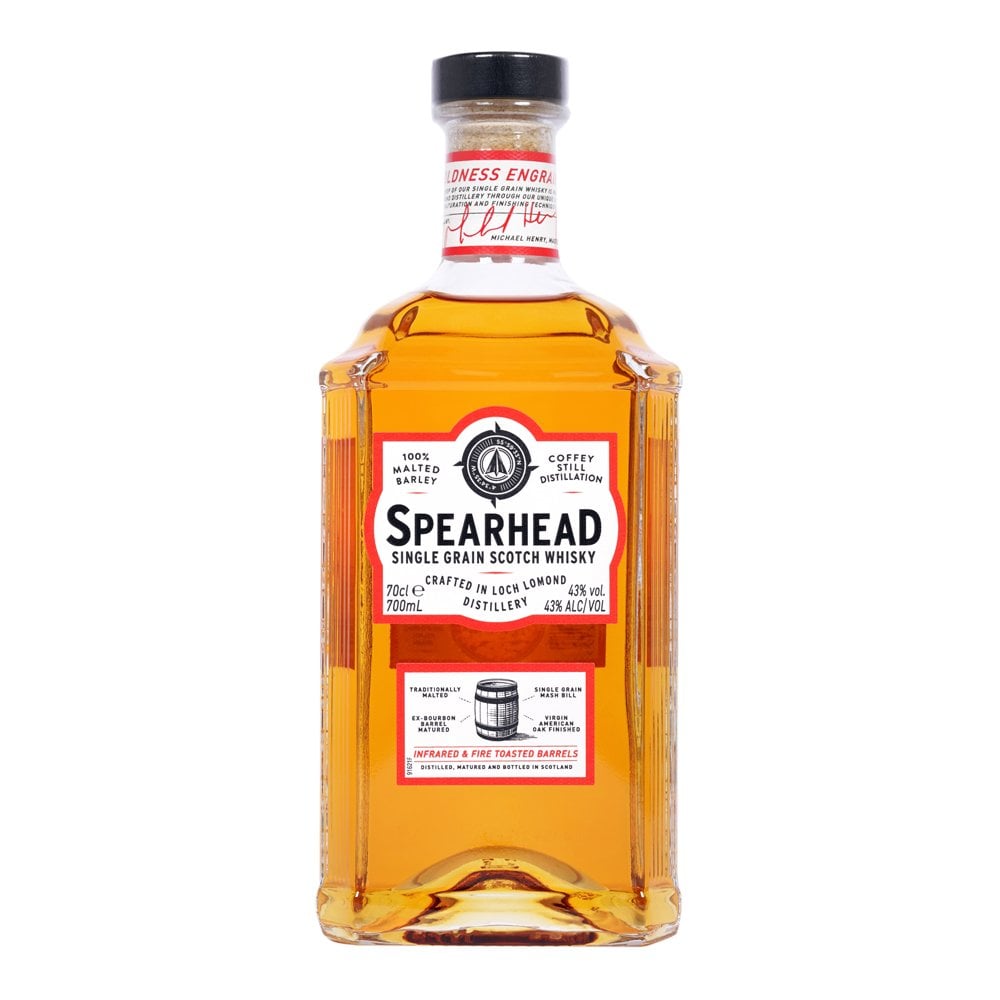
There’s a lot of flavour and variety to explore in grain whisky. Our collection features some excellent bottles to get you started, such as the ones we’ve listed below, as well as some great vintage gems well worth your attention.
Blended Scotch Whisky
While single malt gets a lot of air time, blended Scotch whisky is by far the biggest seller worldwide. Made with a combination of single malt and single grain whiskies – as many as the blender desires – these whiskies have unique flavour profiles that you’ll want to revisit again and again.
While the quality of the base ingredients is important, the key to blended Scotch is the incredible alchemic technique of the blender. The only hard rule with blended whisky is that it must only use whiskies of Scottish origin, matured for at least three years in oak. Everything else is open to interpretation and experimentation.
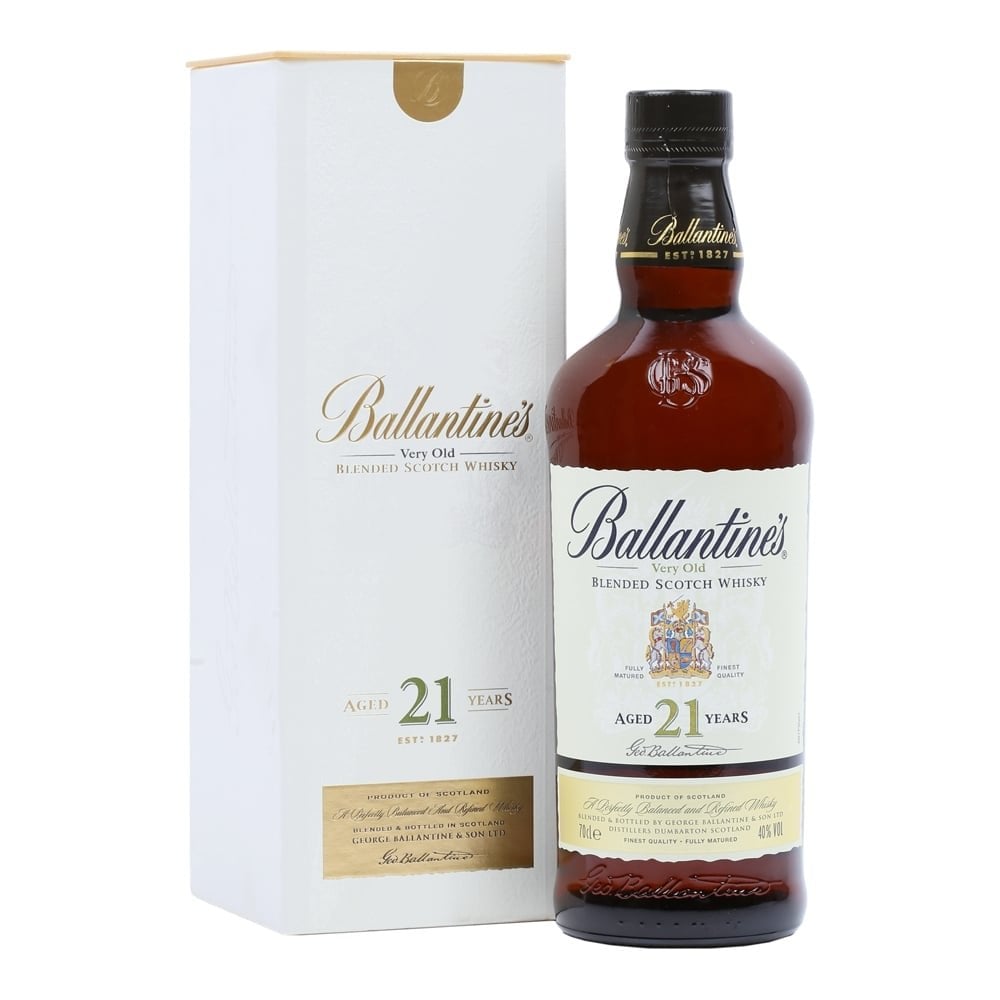
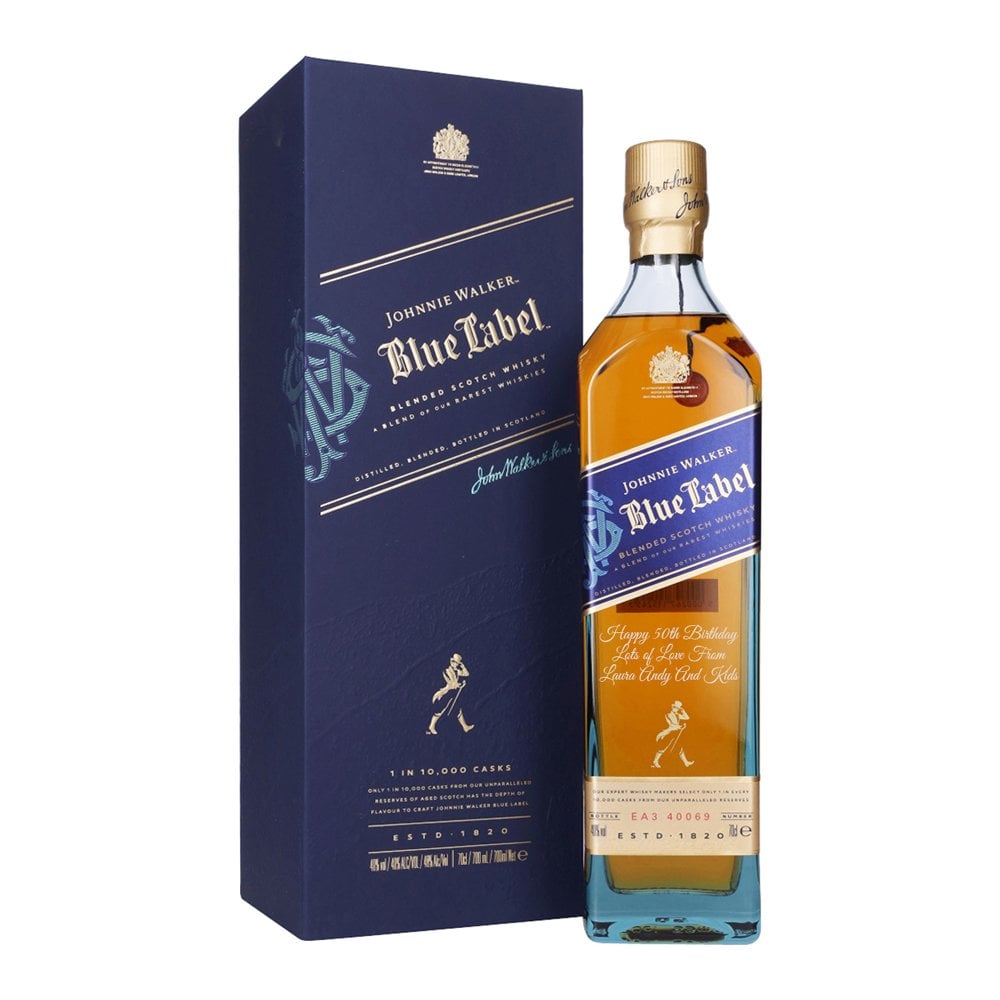
Our Blended Scotch recommendations
Blended whisky offers a huge amount of variety in terms of style and flavour. Our collection includes household name brands, including Johnnie Walker and Ballantine’s, as well as some indy favourites.
Blended Malt Scotch Whisky
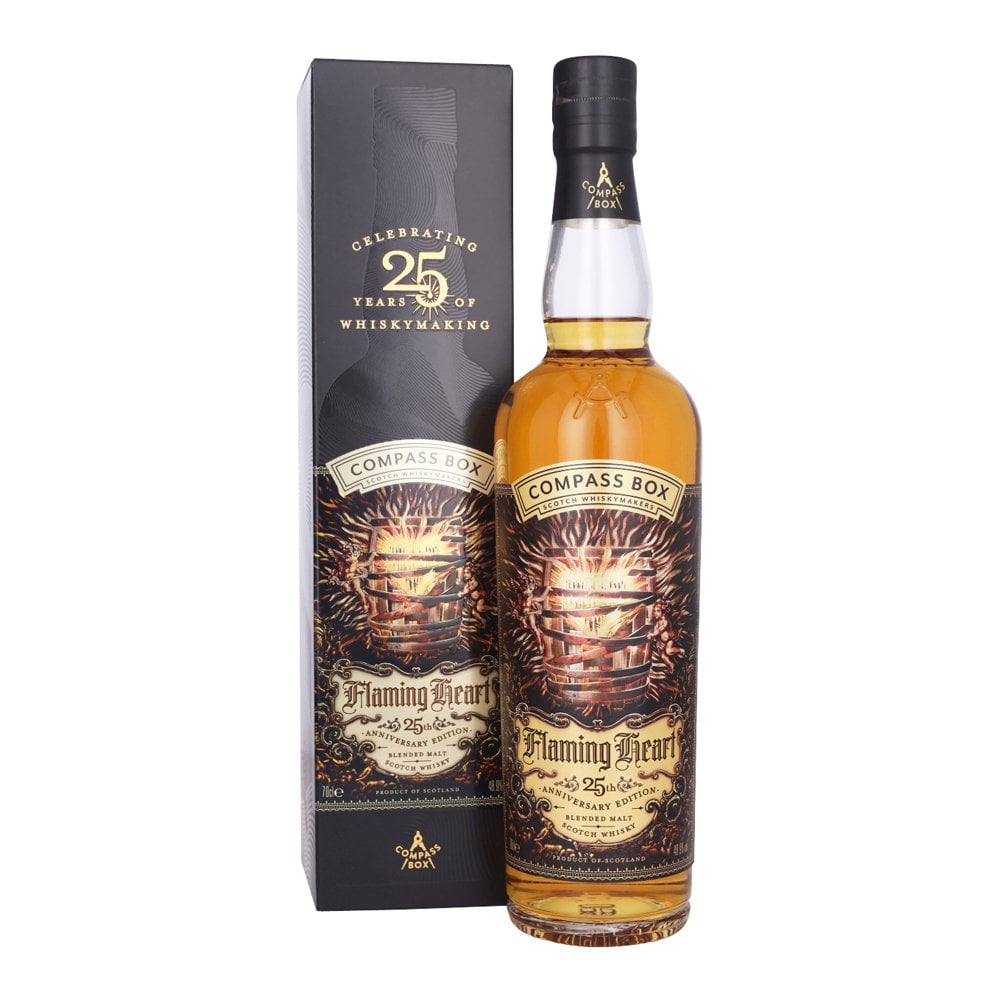
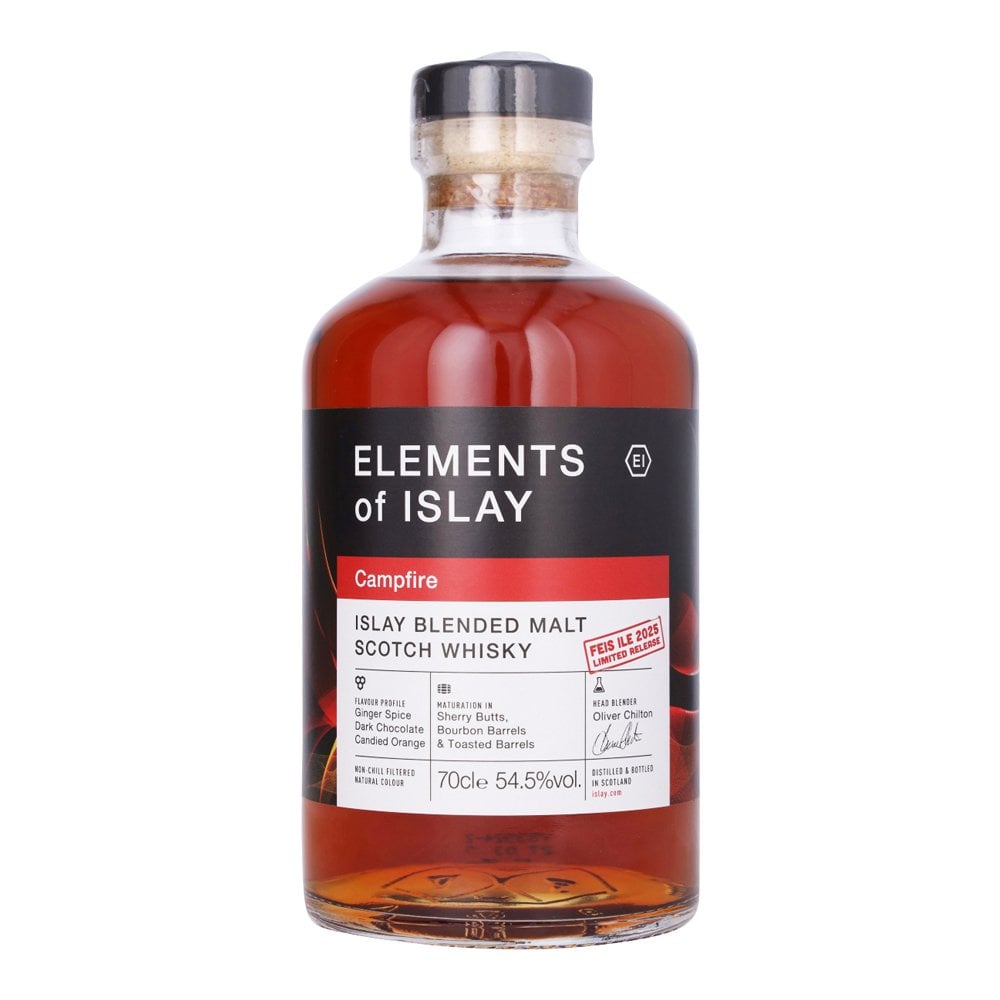
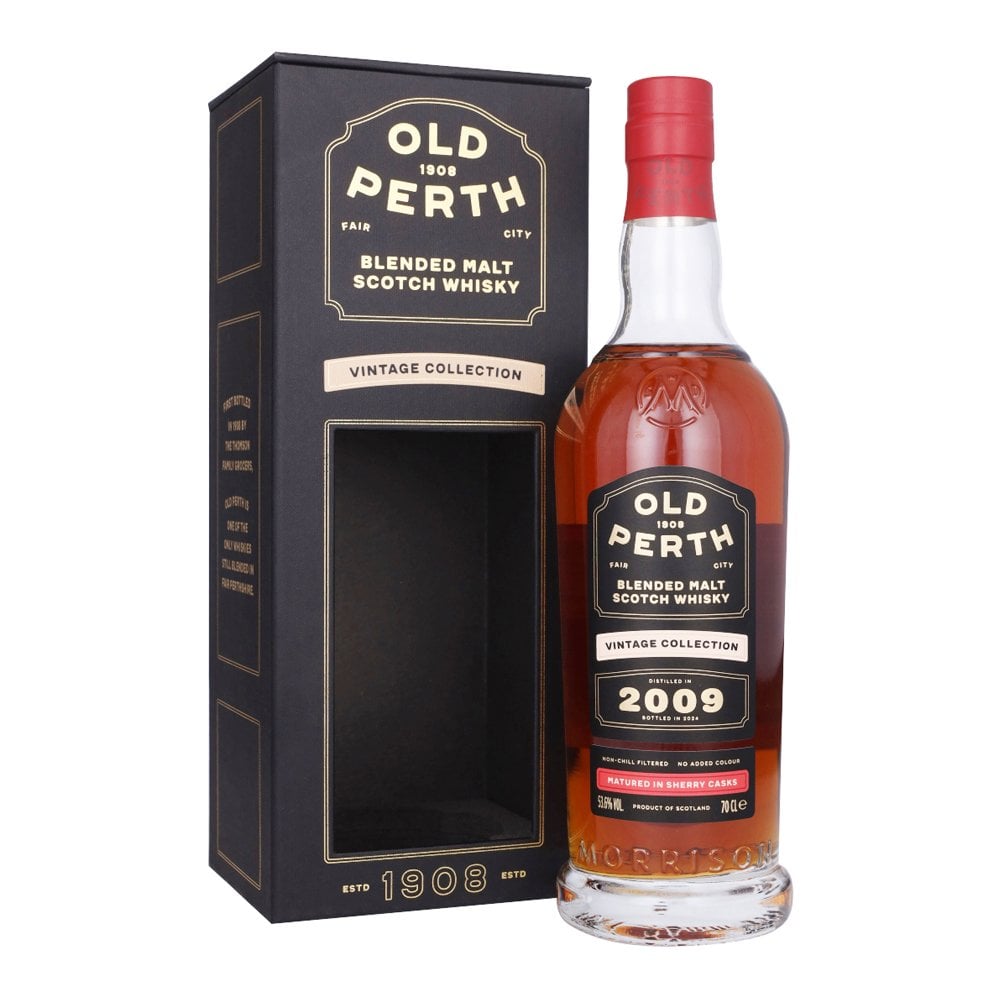
A blended malt whisky is a combination of single malts from different Scottish distilleries. There is no limit to the number of single malts you can use in a blended malt, which makes for a rich and varied combination of flavours. Creating a blended malt that works takes exceptional skill, experience and innovation. The aim is to harmonise the complex profiles of different single malts and create something greater than the sum of its parts.
Our Blended Malt Scotch recommendations
Our collection features exceptional blended malt whisky from impressive brands, including Compass Box, Elements of Islay and Old Perth.
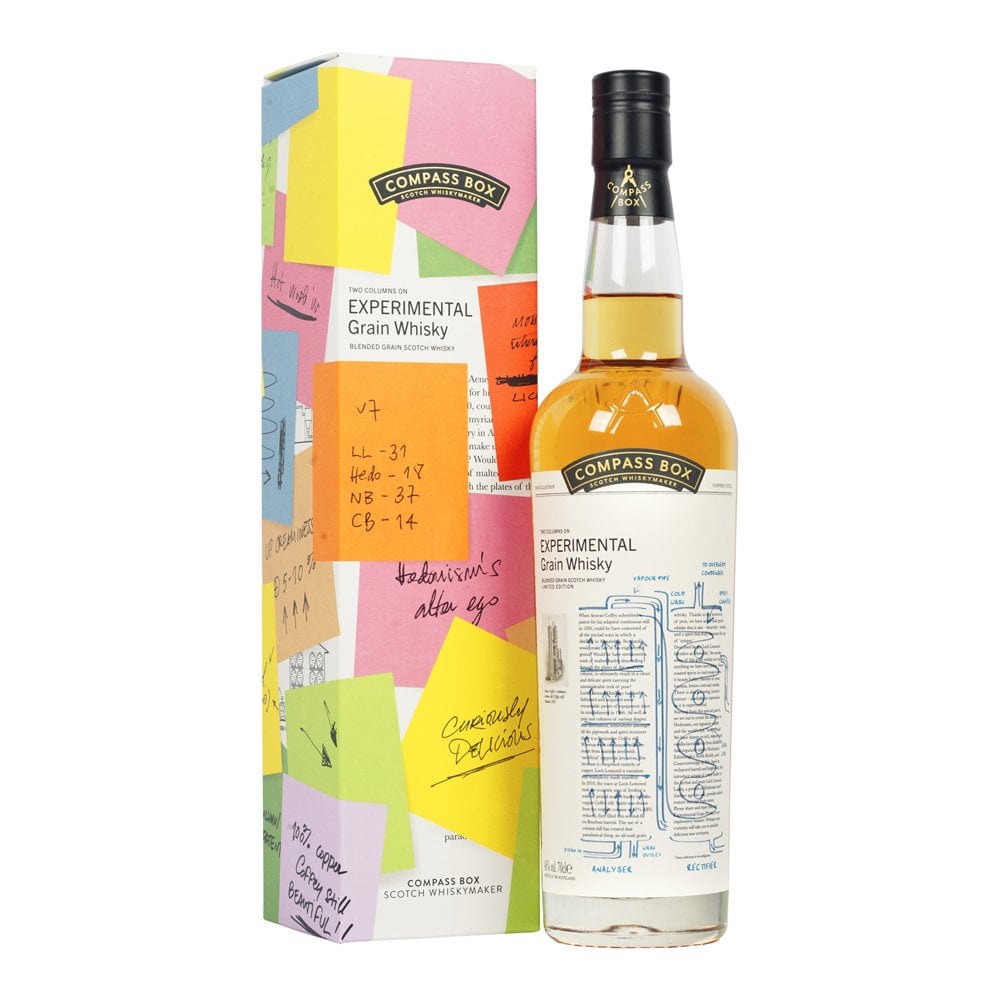
Blended Grain Scotch Whisky
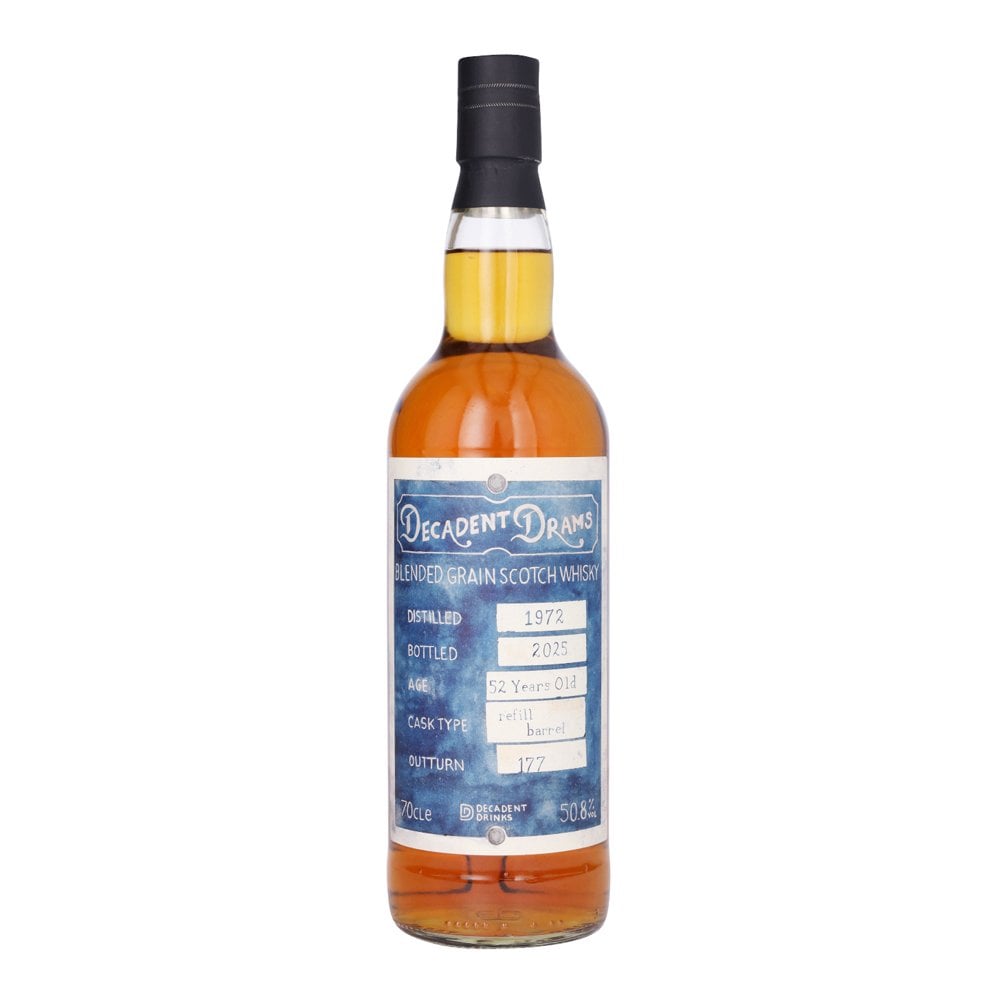
Blended grain whisky is less common than the other four types of Scotch we’ve explored, but that doesn’t make it any less delicious and enticing to beginners and experienced connoisseurs alike.
One factor that makes blended grain Scotch appealing to newcomers, aside from exceptional flavour, is great value.The general rule of thumb with whisky is the higher the age statement, the higher the price. While this remains true with blended grain Scotch, bottles of this type of whisky with higher age statements are often available at a much more affordable rate than their malt siblings. Don’t let a lower price dissuade you from experiencing a wonderful flavour experience, as blended grain Scotch offers a lighter profile while maintaining complexity.
Our Blended Grain Scotch recommendations
While flavour profiles vary and the types of cask used to mature the whisky play a huge role in the final taste, a consistent thread is a creamy texture with notes of gentle spice, vanilla and toffee.
Scotch tasting tips for beginners
Get the most out of the start of your whisky journey with some key tasting tips so you can experience everything your desired dram has to offer.
What to do before you taste Scotch
- Eat appropriately – Mild foods are best before tasting whisky. Anything too spicy or strong could overwhelm your palate before you take your first sip.
- Get the right glass – A tulip-shaped glass is best for tasting as it provides an appropriate funnel for the spirit’s aromas, while the stem helps keep the liquid’s temperature consistent.
- Gather some friends – One of the best ways to taste Scotch, especially as a beginner, is with a group of friends so you can compare your experiences. Don’t forget there are no wrong answers!
How to taste Scotch
- Get a good look – Evaluating how your Scotch looks can tell you a lot about the flavour of your drink. As you get used to tasting different whiskies, you’ll notice certain patterns between colour and flavour – although this is only the case with whiskies which are advertised as having no added colouring.
- Take a whiff of your Scotch – We understand that you’re eager to take that first sip, but the aroma will tell you a lot about what you’re about to taste. Just remember not to stick your nose straight into the glass – all Scotch has an ABV of at least 40% and it’s best approached gently!
- Finally, taste -Take a small, slow sip so your palate can start to discern the notes and flavours your drink has to offer. Allow your mouth time to adjust to the spirit, and don’t forget you can add water to allow the flavours to further develop.
Shop exceptional Scotch at The Whisky World
Start your whisky adventure on the right foot with the exceptional range of options at The Whisky World. Our extensive selection of Scotch whisky has something for everyone, even those who aren’t sure exactly where to start.
Explore bottles from household names, including single malts like Glenfiddich and blends such as Chivas Regal and Monkey Shoulder, or broaden your horizons with a spirit from lesser-known brands. Of course, if you’d like any further information or assistance choosing a Scotch whisky, simply contact our team of whisky experts.