

Scotland has been home to fine whisky for centuries, and each sip evokes elements of the landscape that defines the spirit.
At The Whisky World, we have a deep admiration for all things Scotch, including the stunning locations where it’s made. Our guide examines the five Scotch whisky regions (and the islands) that have helped define the drink we know and love today. We will look at the unique characteristics of each area and highlight our personal favourites.
Table of contents
- What are the five Scotch whisky regions?
- Highlands
- Lowlands
- Speyside
- Campbeltown
- Islay
- Bonus: The Islands
- Shop delicious Scotch whisky at The Whisky World
What are the five Scotch whisky regions?
The five regions of Scotch whisky are the Highlands, Lowlands, Speyside, Campbeltown and Islay. Officially, the Highlands region also includes all the other islands like Arran and Skye, but we’ve split them out into a separate section here so we can dive into the detail.
Highlands
- Number of distilleries: The Highland region is the largest Scotch whisky region geographically, and contains over 30 distilleries.
- Most common flavours: Full‑bodied malt, orchard fruit (apple, pear), honey, heather, spices, sometimes a gentle smoky or peaty note.
- Geography: Covers the largest swathe of land north of the Highland Boundary Fault, from the east coast to the west, includes rugged coastline, highland glens, lochs, and is very varied.
The Highlands have played a pivotal role in the history of Scotch whisky, with many early licensed — and formerly illicit — distilling sites located across the region. As Scotland’s largest whisky region, spanning a wide range of landscapes, climates, and water sources, the Highlands produce an exceptionally diverse array of malt styles.
Because of this geographic and climatic variety, Highland malts range from rich, full-bodied and sherried expressions to lighter, fruit-driven whiskies. Many distilleries strike a balance between robustness and refinement rather than fitting a single regional profile.
What makes the Highlands distinctive is this breadth of character. Distilleries frequently explore different maturation styles (such as sherry, bourbon, or wine casks), use varied barley types, and some incorporate a degree of peat influence — though the region is not primarily associated with smoky whisky. This versatility makes Highland whisky an appealing choice for drinkers seeking depth, variety, and exploration.
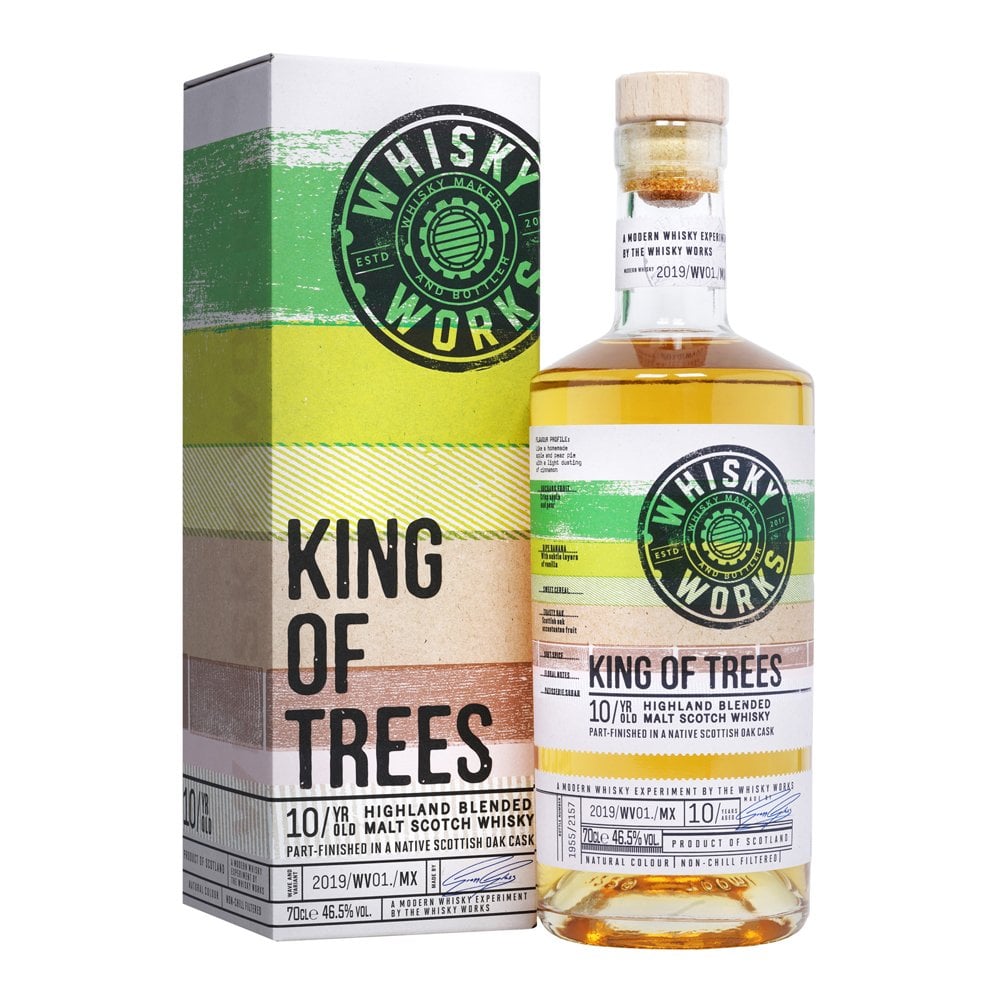
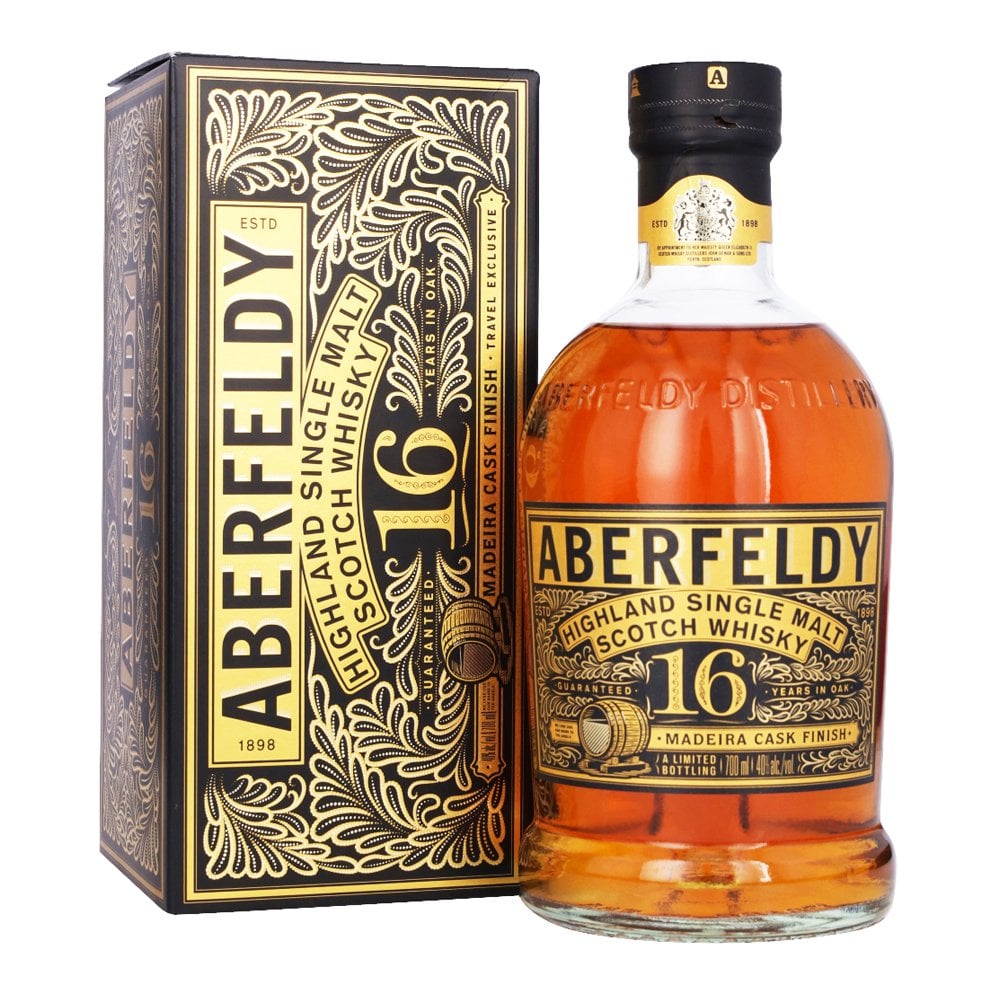
Our Highland Scotch recommendations
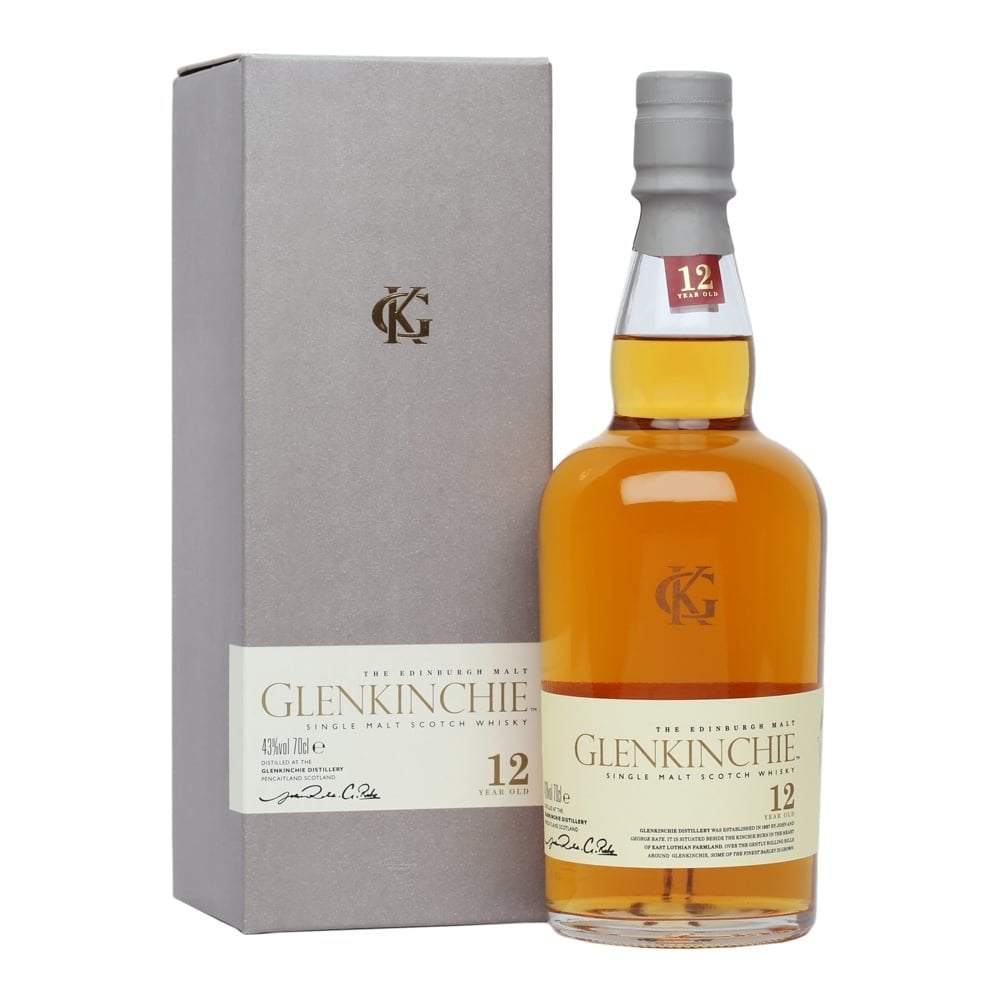
Lowlands
- Number of distilleries: Fewer distilleries than most other regions; a handful of historic ones, plus several newer or revived Lowland producers.
- Most common flavours: Reflecting this tradition, Lowland whiskies tend to have a gentle, lighter body, with notes of grass, flowers, herbs, honey, and cereal, complemented by orchard fruits. Some newer experimental releases may feature subtle hints of light smoke or peat.
- Geography: The Lowlands lie south of the Highland Boundary Fault, encompassing the southern part of Scotland. This area includes the central belt (around Edinburgh and Glasgow) and the coastal plains, and is much flatter and more temperate.
The Lowlands were among the earliest areas for distilling Scotch and many distilleries operated in the area in the 18th and 19th centuries. Although many of those sites later closed, the region has experienced a significant revival, with both new and resurrected distilleries contributing to a renewed sense of identity. Today, Lowland producers explore both the classic light, gentle style historically associated with the region and more contemporary, experimental approaches to maturation and flavour.
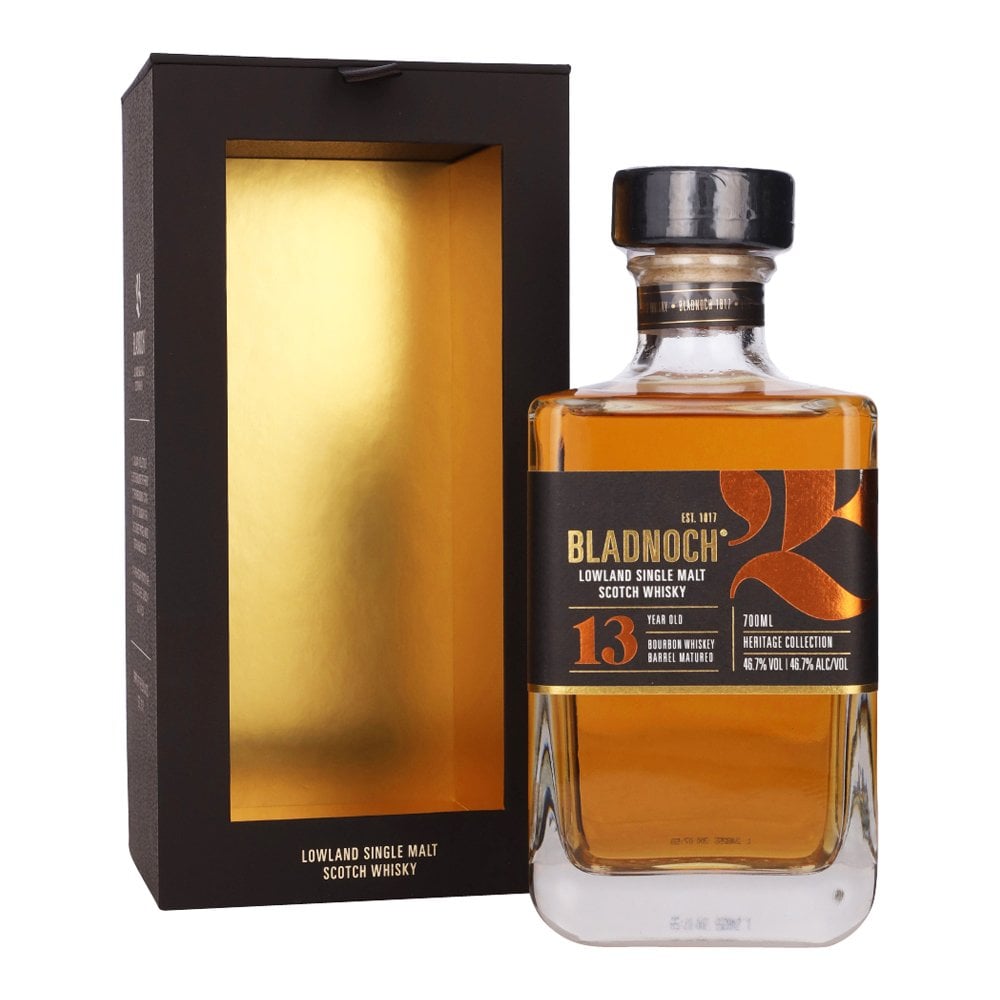
Lowland whisky is a great place to start if you’re looking for a gentle, elegant dram. Most of the whiskies you’ll find here are unpeated, although distilleries like Bladnoch offer delicious exceptions to that rule.
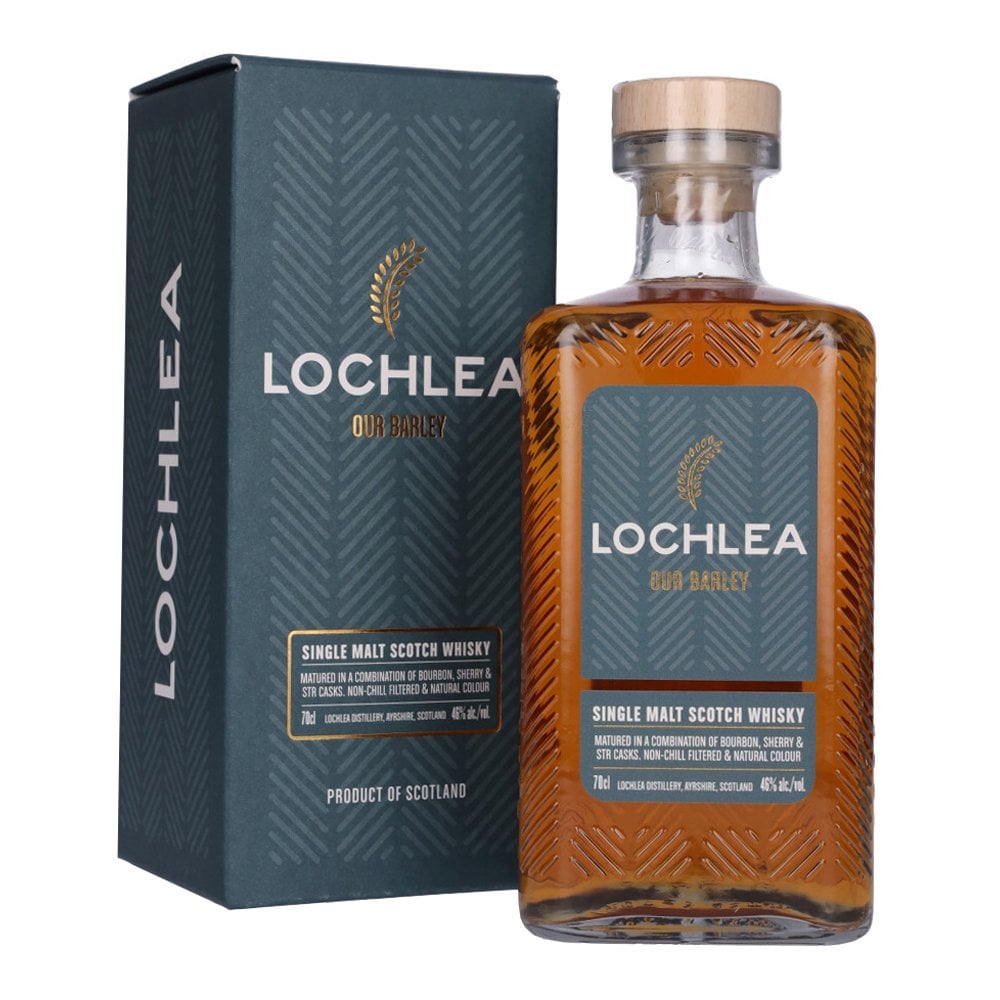
Our Lowland Scotch recommendations
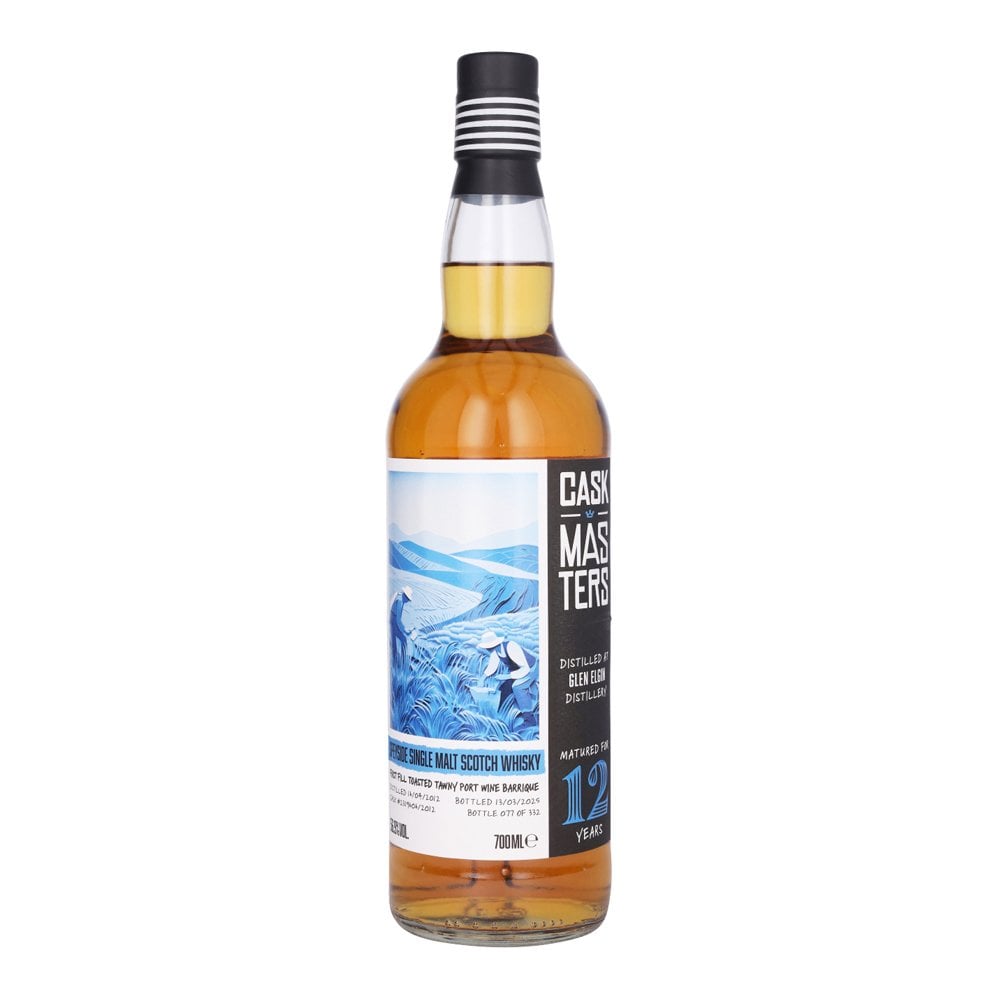
Speyside
- Number of distilleries: The densest concentration of distilleries in Scotland and the highest number of any region. This is whisky central!
- Most common flavours: Fruitiness (apple, pear, citrus), honey, vanilla, malt, floral notes. Whiskies are often finished in sherry casks, which adds richness and notes of dried fruit, chocolate, or spice. The majority of whiskies here are unpeated, but some Spyside distilleries do make wonderful smoky single malts.
- Geography: Located in the northeast, along the River Spey; valleys and hills around Aberlour, Elgin, Dufftown, etc.
Many of the most famous names in whisky come from Speyside, and it’s an area teeming with distilleries. In fact, it’s the most populated distillery area in the whole world!
Geographically, Speyside is full of picture-perfect glens and the iconic river Spey. The whiskies produced here are fruit forward, with common flavours including orchard fruit – particularly apple and pear – honey, vanilla and spice.
Speyside distilleries are known for their love of using sherry casks to mature their whisky, which adds often rich layers of dried fruit, chocolate and spice depending on the type of sherry cask used and length of maturation.
That doesn’t mean, however, that there isn’t a wealth of other cask finishes to explore and enjoy. And while peat is rarely utilised, you’ll also find a few distilleries creating elegant smoky drams that are well worth your attention.
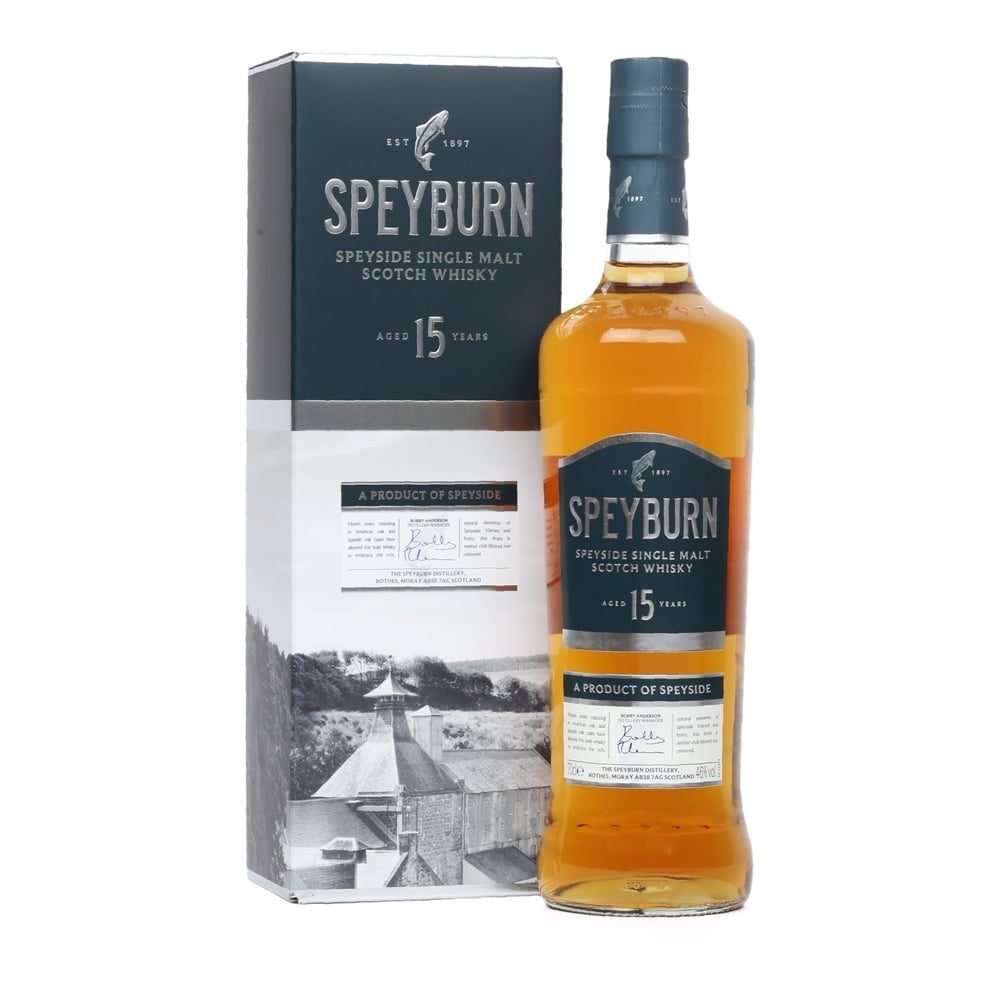
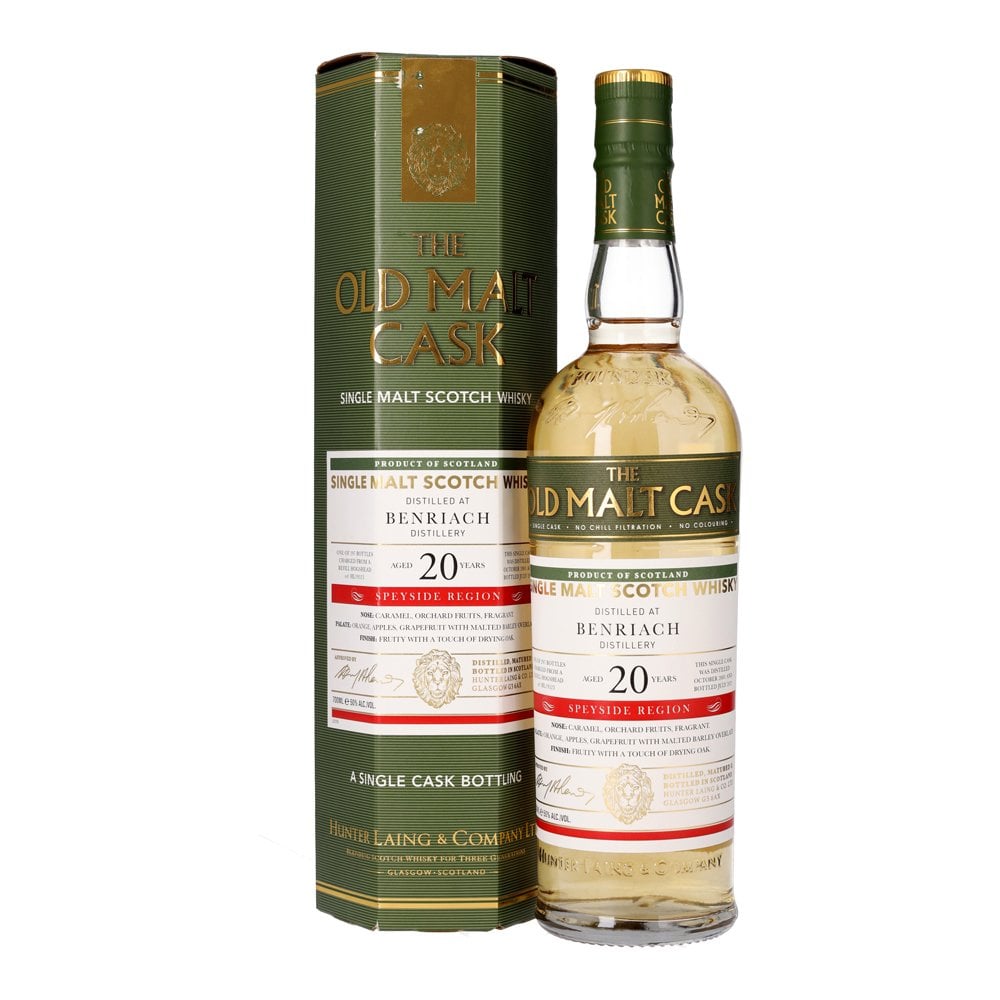
Our Speyside Scotch recommendations
Campbeltown
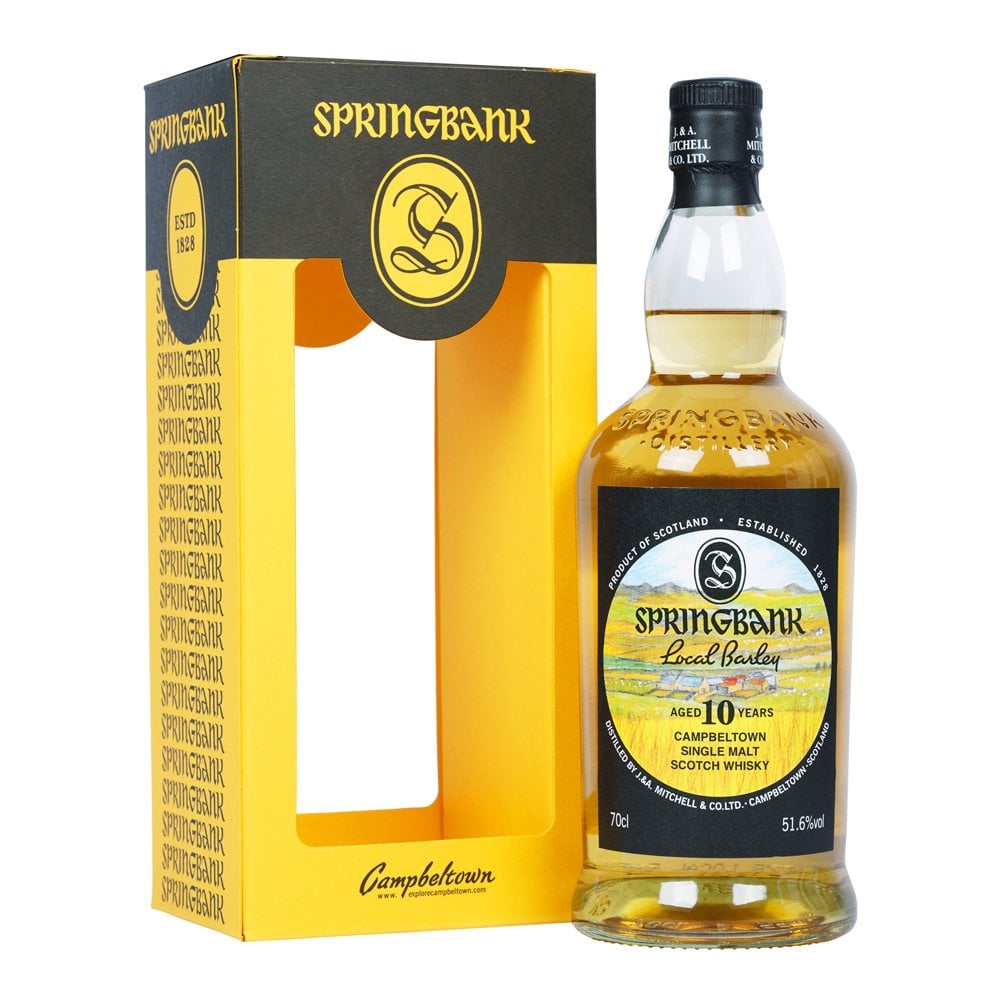
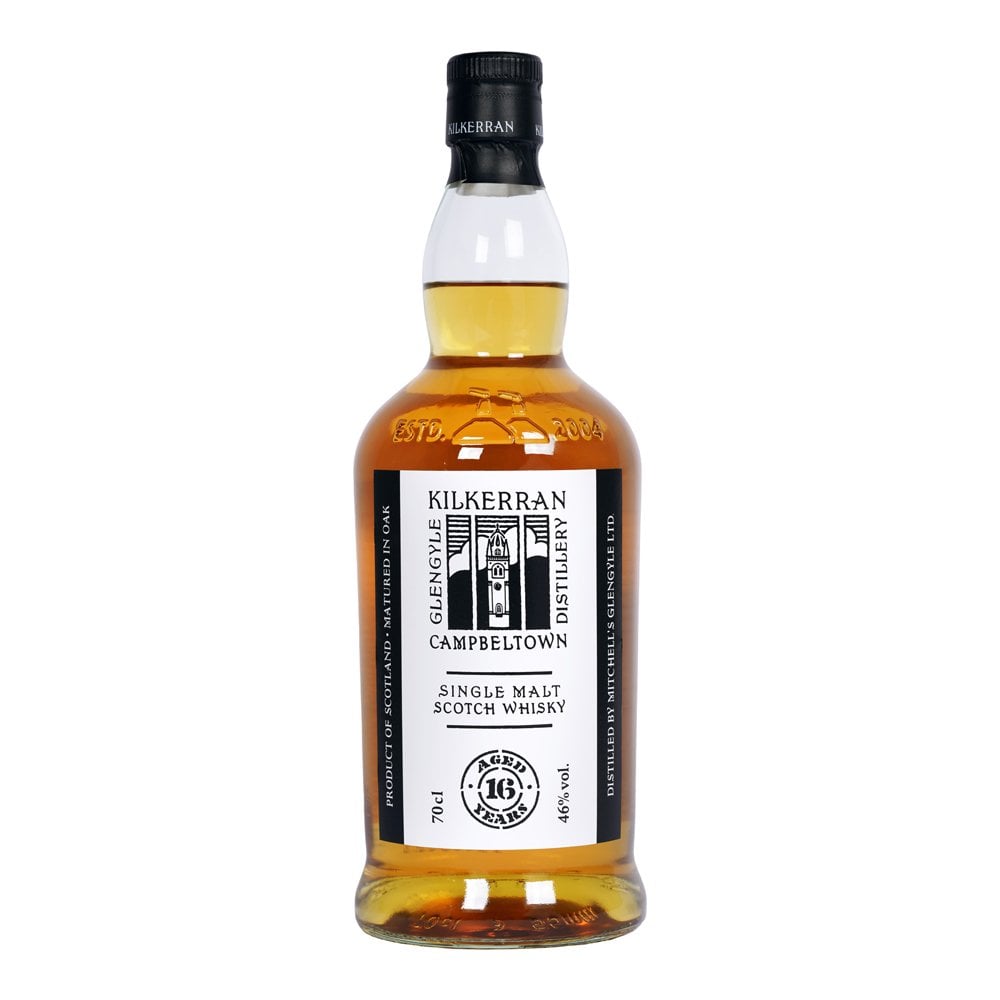
- Number of distilleries: Once a major whisky centre, only a few distilleries now survive (Springbank being the most famous).
- Most common flavours: Brine or sea salt influence, smoke, oily texture, nutty, toffee, fruity notes.
- Geography: A small peninsula on the west coast of Scotland, almost an island at its tip; surrounded by sea lochs and facing the Atlantic.
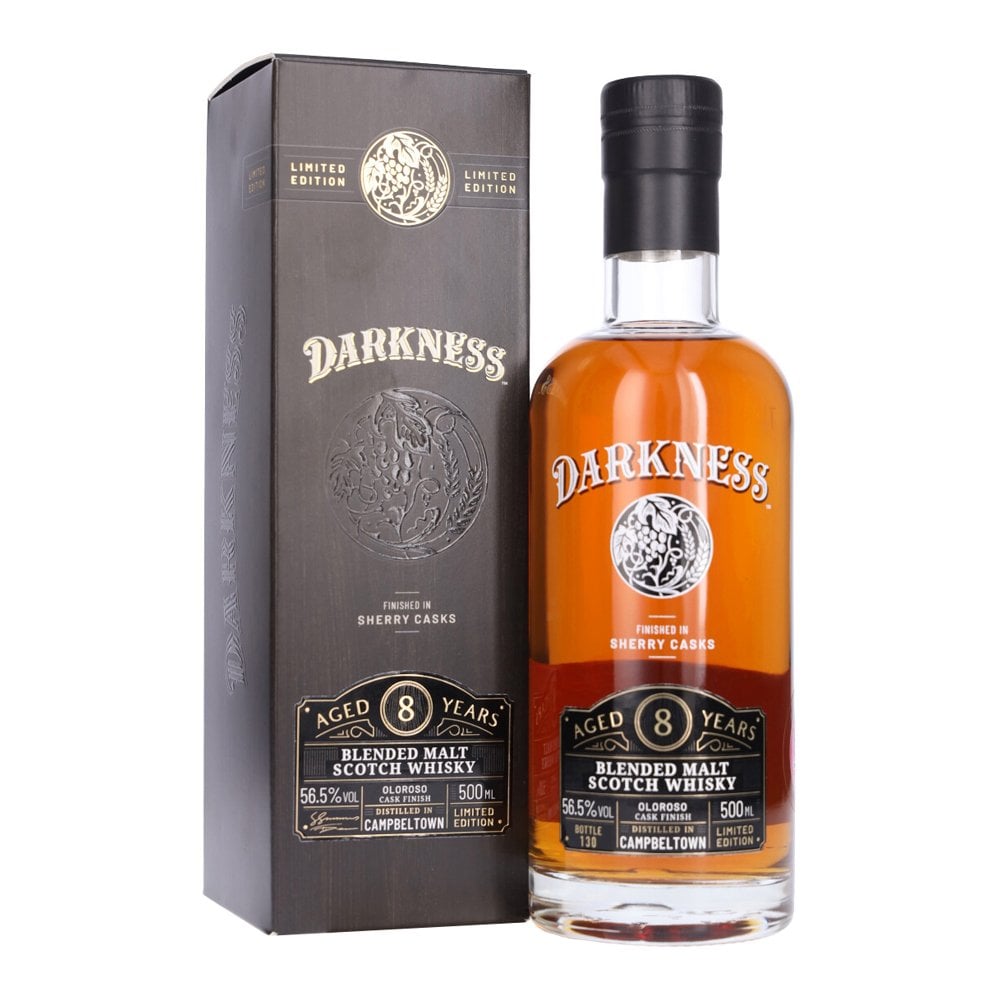
Campbeltown was once dubbed “the whisky capital of the world” in the 19th century, with over thirty distilleries, but most of them closed during the 20th century. Its survivors have held fast to tradition: slow distillation, mixed cask use, a strong sense of place. The salinity, coastal air and frequent use of peated malt combine to make whiskies that feel weathered by the sea, but with real substance.
Our Campbeltown Scotch recommendations
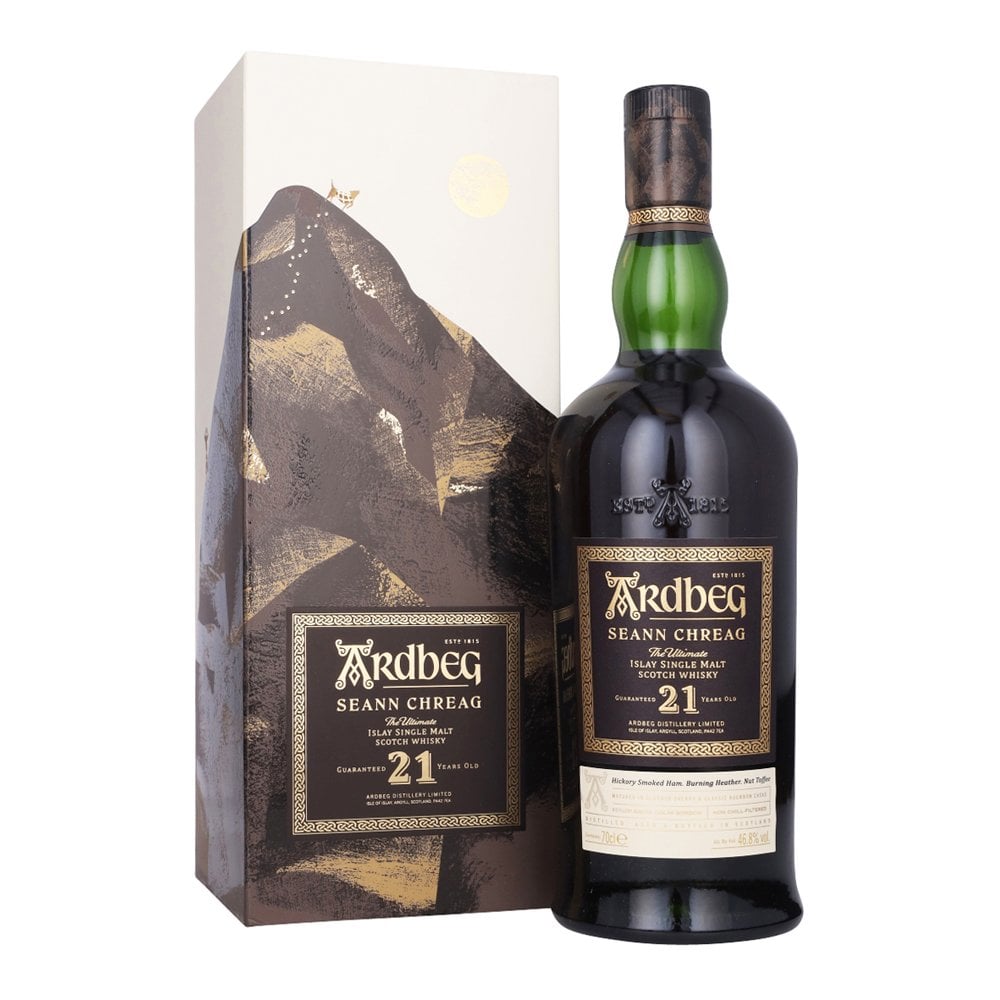
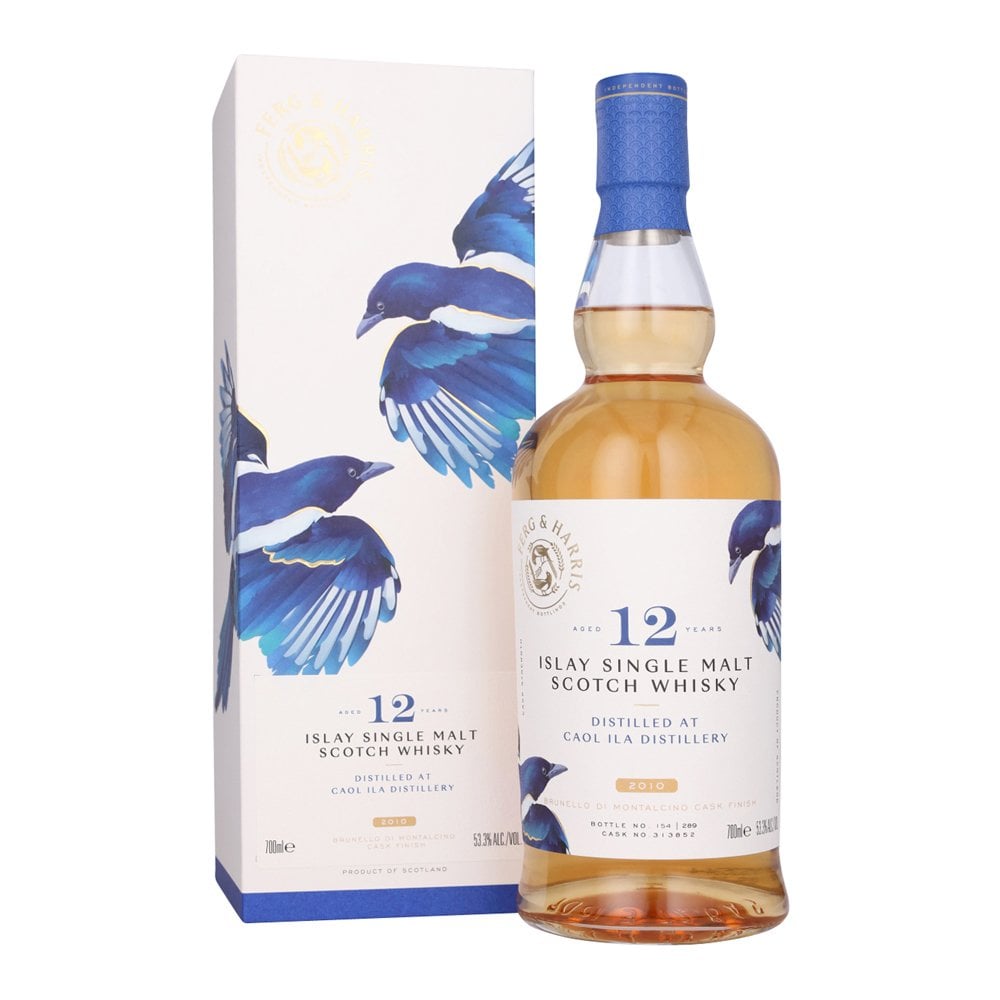
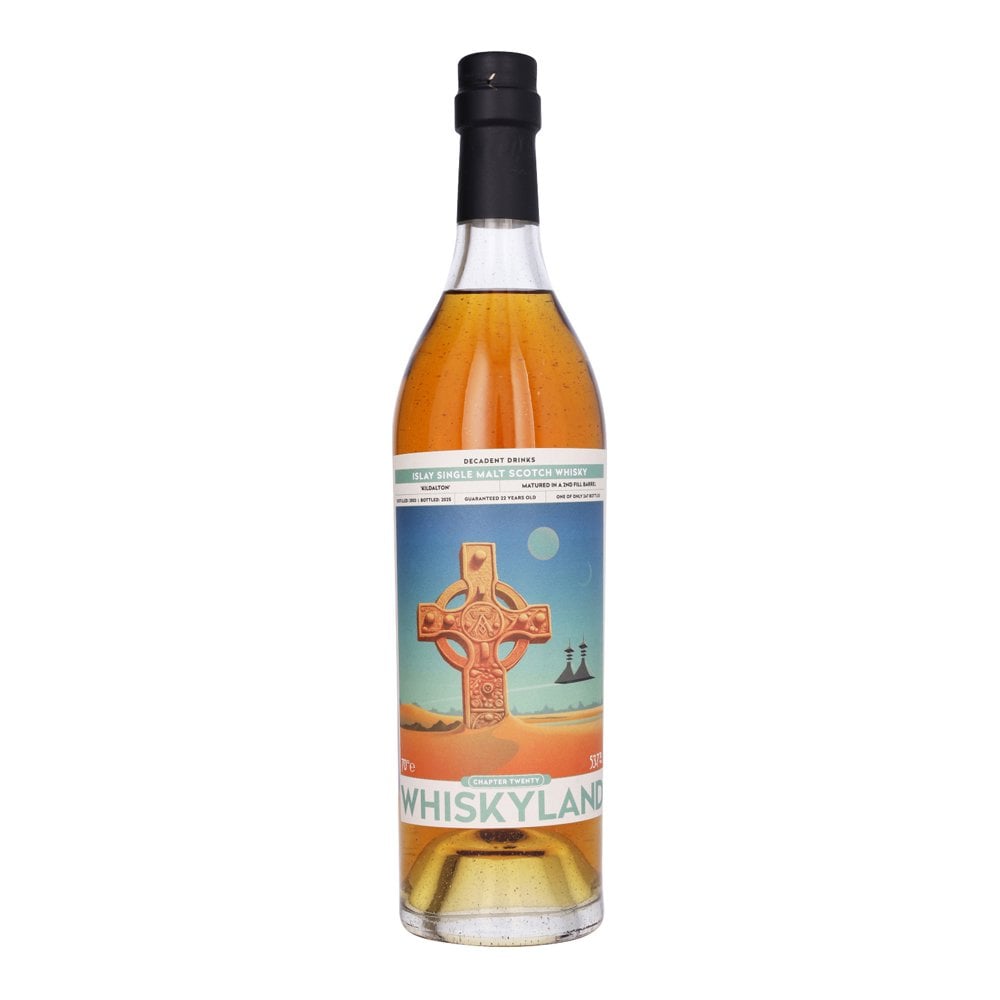
Islay
- Number of distilleries: 10 or more, depending on who or when you ask!
- Most common flavours: Heavy peat smoke, sea salt, iodine/seaweed, medicinal notes, bonfire, and ash; citrus and tropical fruit.
- Geography: Island off the west coast. Exposed to Atlantic weather, sea winds, a rugged coast, and coastal peat bogs.
Islay is perhaps the most iconic “smoky” Scotch region, though not all whiskies here are overpoweringly peat‑laden. Historically, peat was used liberally in malting; smoke and maritime influence define much of the character. Each distillery has its own take: some use heavy peat, while others use moderate peat and some have entire brands with no peat at all!
What makes Islay special is the dramatic sensory signature it possesses, yet the considerable variation within it. For an experienced whisky drinker, exploring Islay is about finding which peat style, which smoke level, which cask influence, which distillery style you prefer.
If you think smoke is the only flavour you’ll find in these whiskies, however, think again: flavours range from lemon peel and tropical fruit to crunchy seaweed and TCP. Cask finishing, like everywhere in Scotland, is popular here and there’s a huge range of flavours and styles to enjoy.
Our Islay Scotch recommendations
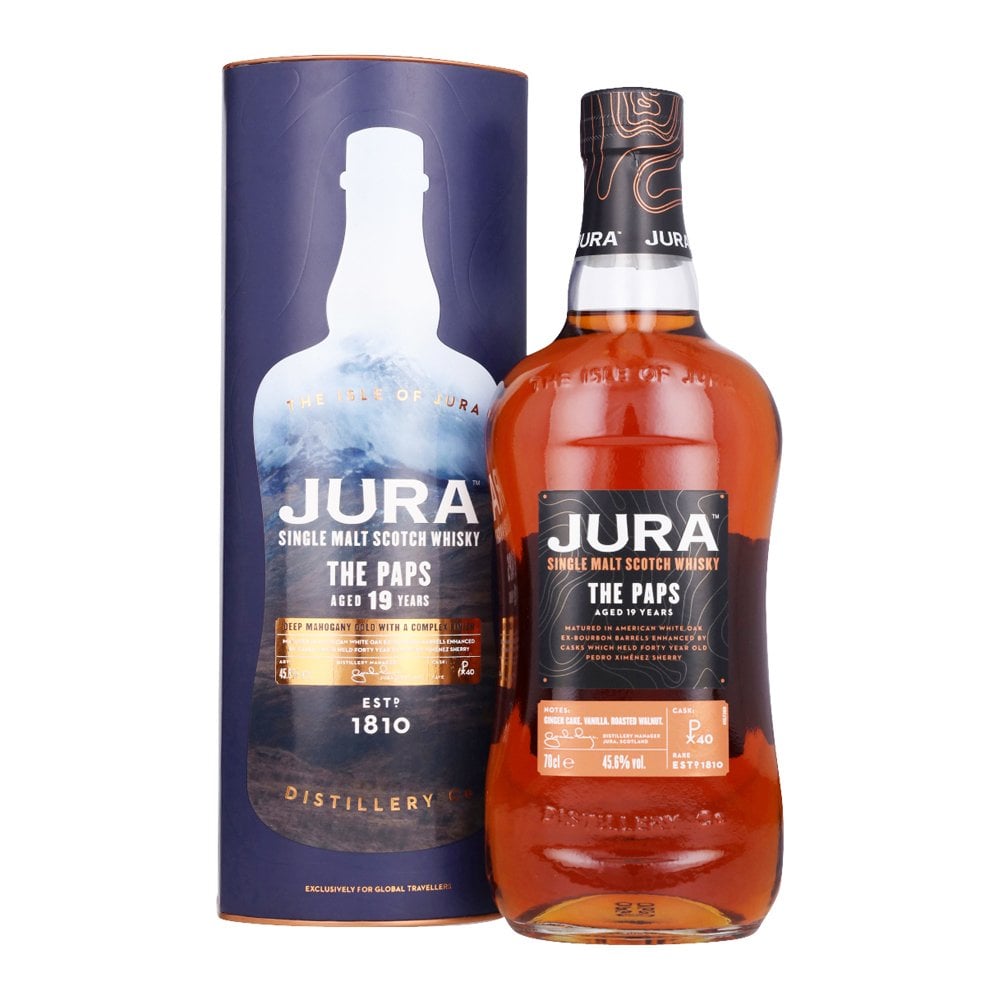
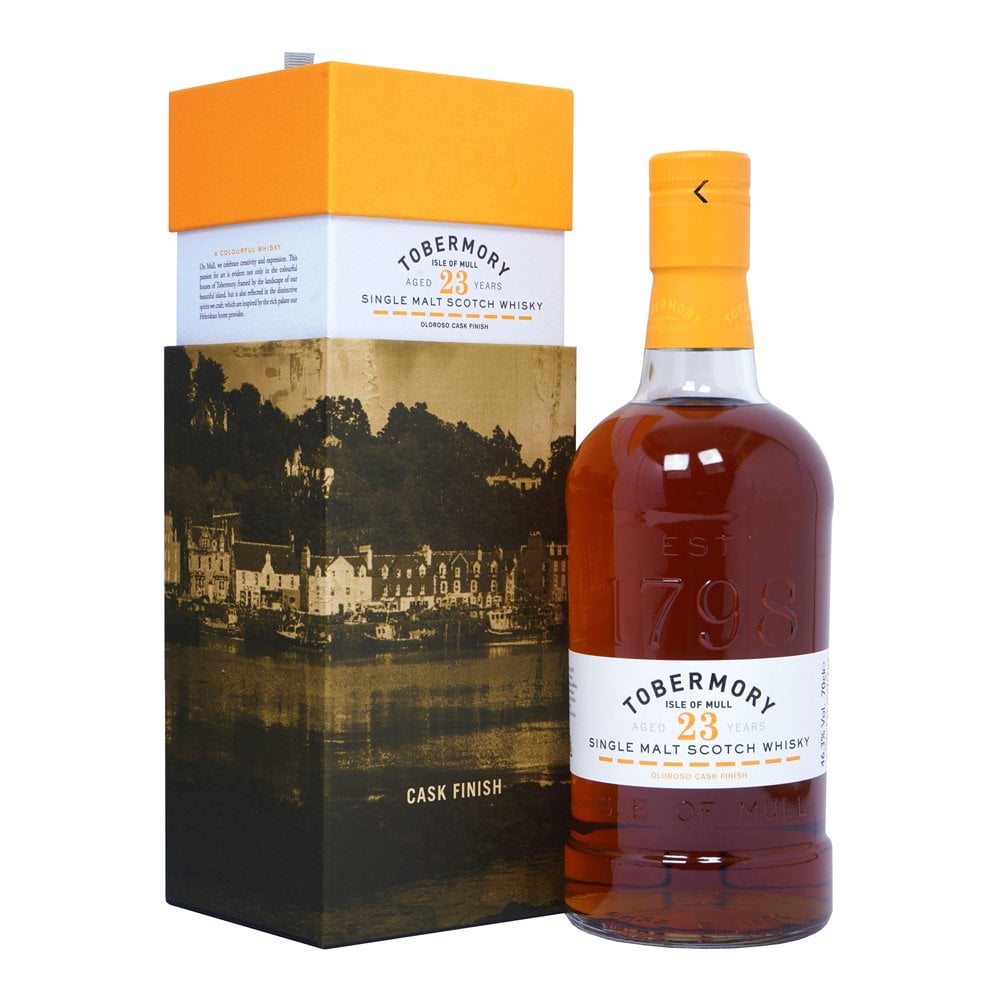
Bonus: The Islands
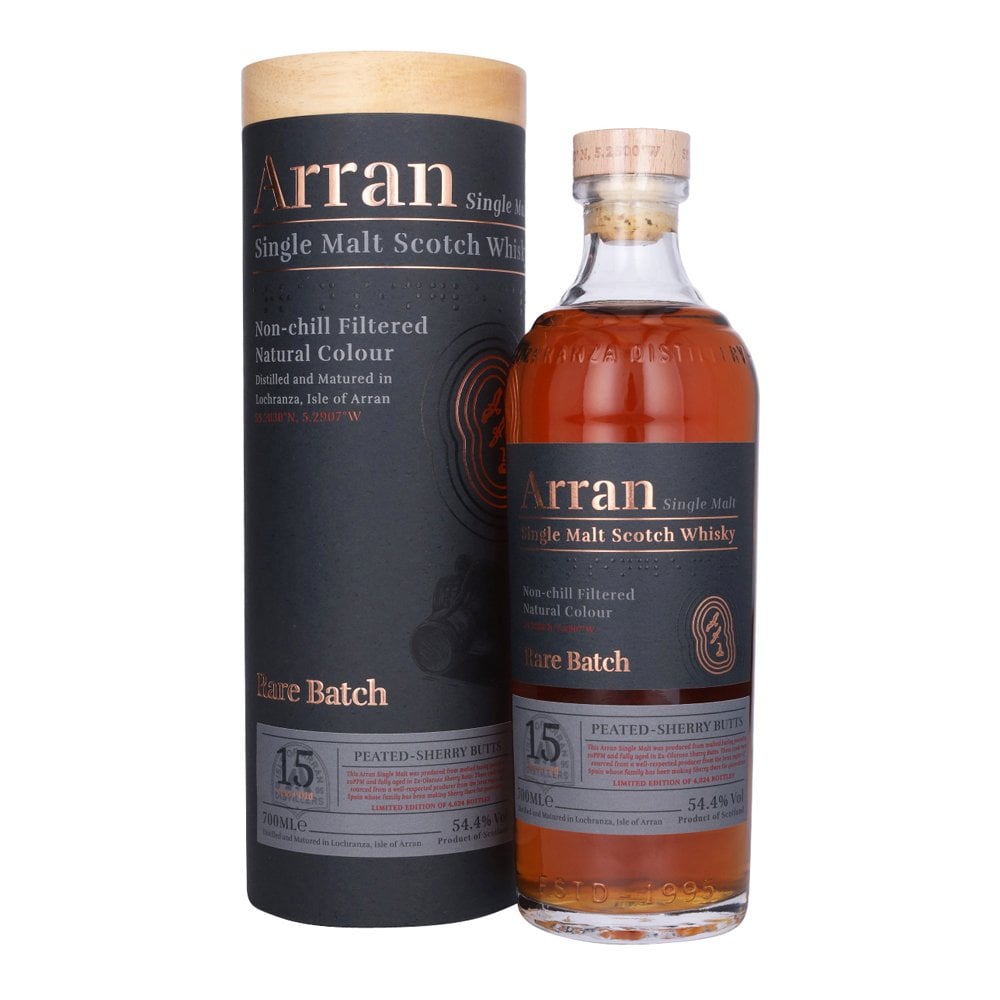
- Number of distilleries: This honorary region includes Orkney, Skye, Mull, Raasay, Arran, and others.
- Most common flavours: Maritime brine, mild smoke, sea air, orchard fruits, vanilla, occasionally peat.
- Geography: Islands scattered off Scotland’s west and north coasts (Orkney, Skye, Mull, Arran, Raasay, etc.). Each island has its own microclimate. Some are more sheltered, others are very exposed.
The Islands region is interesting because, while it is technically grouped with the Highlands, each island has its own unique flavour signature. Distilleries here benefit from sea air, sometimes use peated malt (though usually more restrained than Islay), and often produce whiskies that are both coastal and accessible.
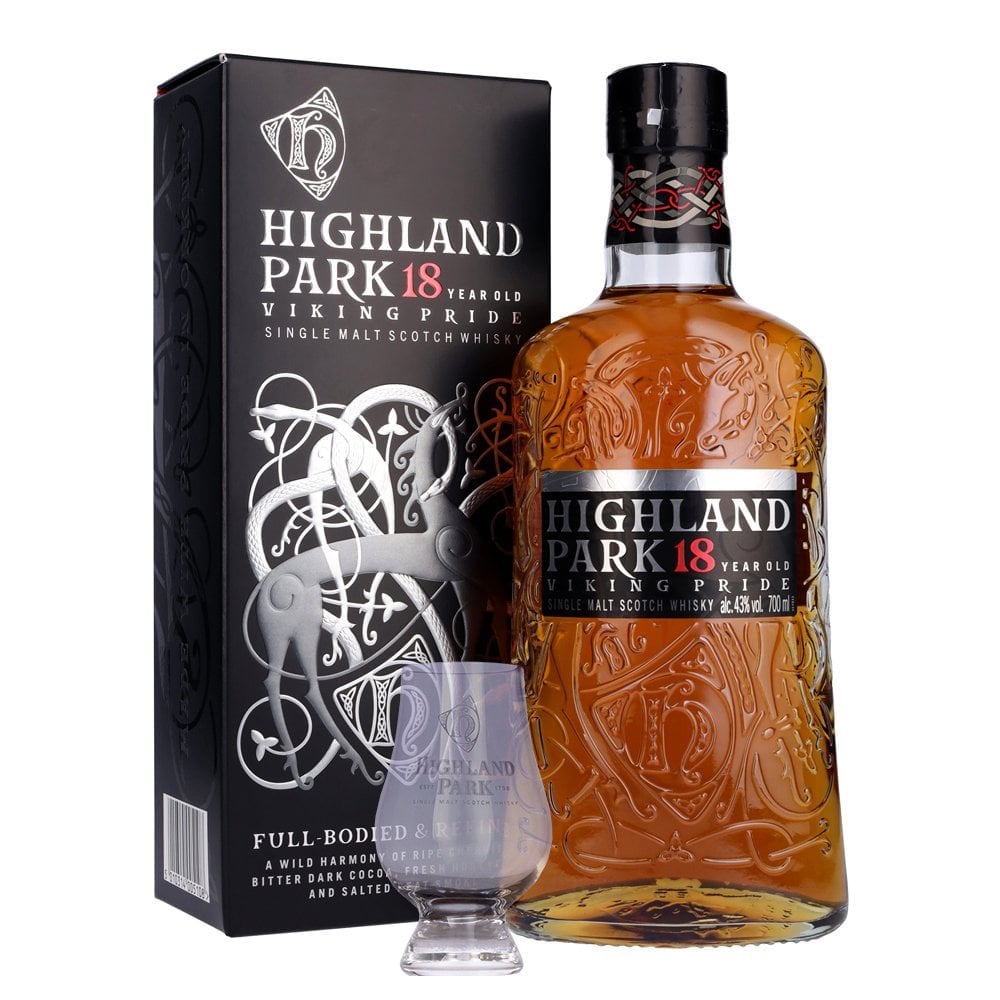
What makes the Islands a fascinating stop on the whisky map is their diversity: you can move from mild, fruity Arran to coastal, briny Orkney (Highland Park) to smoky, maritime Skye (Talisker). Why not treat yourself to a couple of bottles and compare?
Our Island Scotch recommendations
Shop delicious Scotch whisky at The Whisky World
No matter which region you get your Scotch from, you can find a huge selection of premium bottles in our collection at The Whisky World. Shop single malt from renowned distilleries alongside delicious blended malt and grain whiskies, or why not contact our experts for bespoke suggestions that will guarantee you a unique and memorable tasting experience?
Choose The Whisky World and continue your journey by discovering some of the finest whiskies the five regions have to offer.